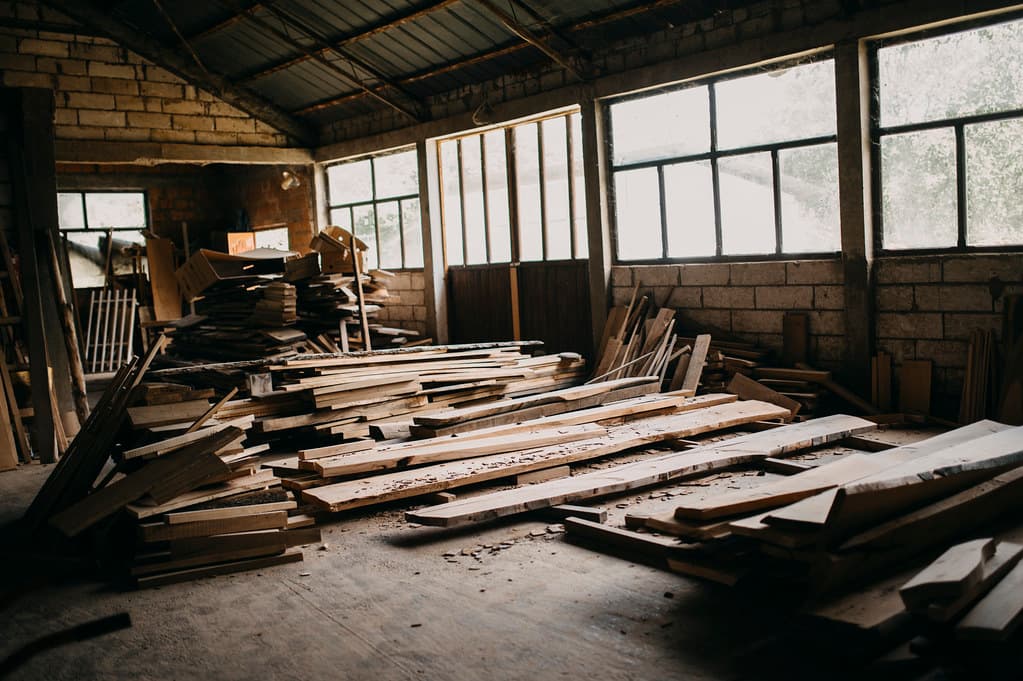
Tupelo's Furniture Industry Adapts to Survive
Long a center of American furniture manufacturing, the Tupelo region is navigating global competition with automation and specialization.
The Tupelo region has been a center of American furniture manufacturing for generations, a distinction that has brought jobs and identity to northeast Mississippi. But the industry has weathered decades of upheaval, and its survival has required constant adaptation to the pressures of a globalized market.
The challenge is familiar to American manufacturing broadly: competition from lower-cost producers abroad that hollowed out many domestic industries. Furniture was hit hard, and the Tupelo region lost jobs and companies as production shifted overseas.
Those that survived did so by adapting. Some embraced automation to cut costs and stay competitive. Others specialized, focusing on higher-end or custom products less vulnerable to overseas competition, or on speed and service that distant manufacturers cannot match. The industry that remains is leaner and more specialized than the one that came before.
The region's furniture heritage endures, in the companies that adapted, the workers whose skills sustain them, and the twice-yearly furniture market that draws buyers from around the world. The industry is smaller than in its heyday, and its future is not guaranteed. But Tupelo's furniture makers have shown a stubborn capacity to reinvent themselves, and that adaptability may yet carry a storied industry forward.
More in Business
The Rise of Black-Owned Business in Mississippi
Supported by new networks and capital, Black entrepreneurs are building businesses across the state, though structural barriers remain.
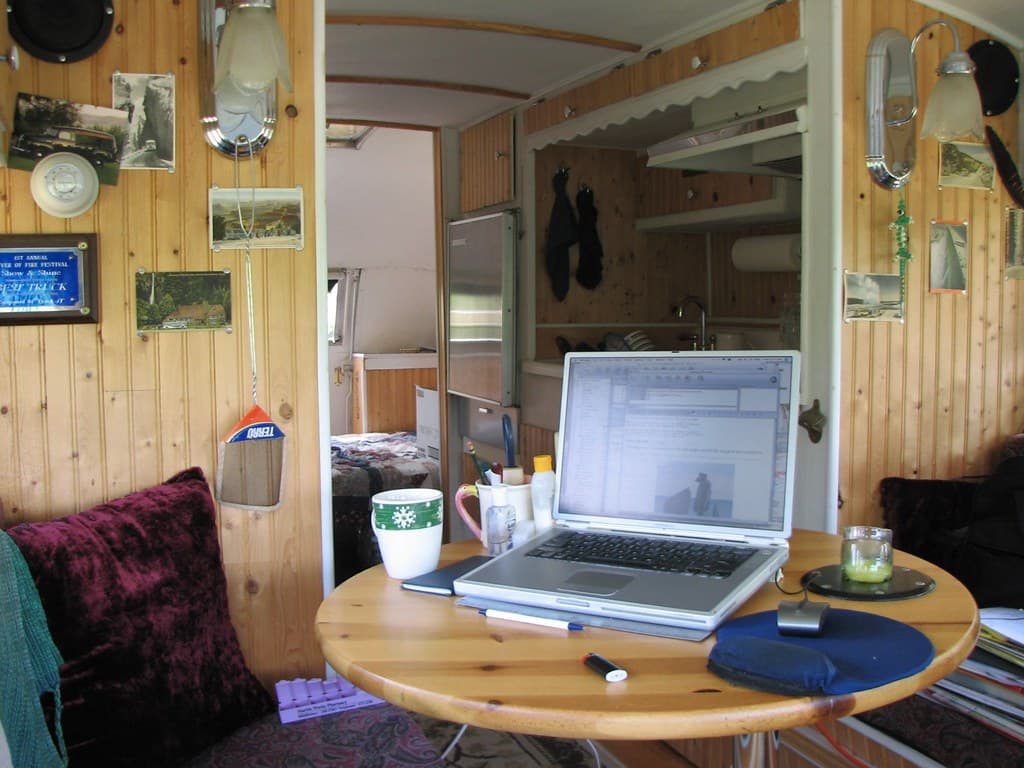
Can Remote Work Repopulate Rural Mississippi?
As remote work loosens the tie between jobs and cities, some Mississippi towns see an opportunity to attract new residents and revenue.

Jackson Tries to Build a Tech Scene From Scratch
With incubators, capital, and a lot of stubborn optimism, the capital is trying to grow a startup ecosystem in a state that has never had one.