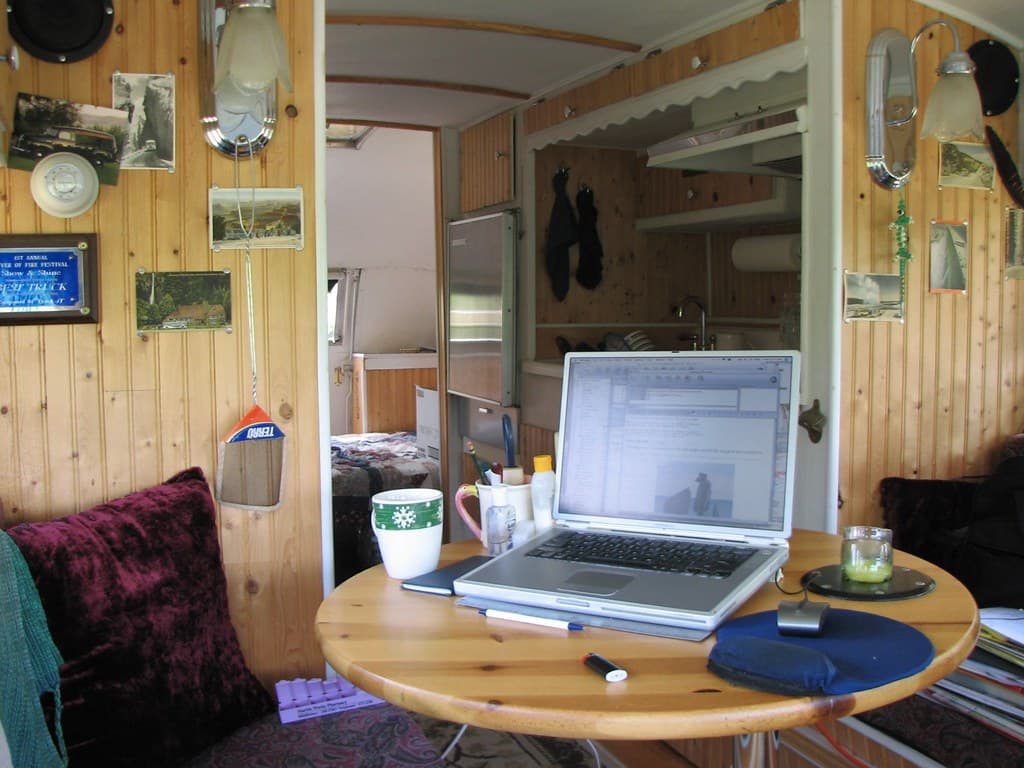
Can Remote Work Repopulate Rural Mississippi?
As remote work loosens the tie between jobs and cities, some Mississippi towns see an opportunity to attract new residents and revenue.
For generations, ambitious young Mississippians faced a stark choice: stay in a small town with limited opportunity, or leave for a city with jobs. Remote work has begun to soften that binary, and some rural Mississippi towns see in it a rare opportunity to attract residents and revenue they could never land before.
The logic is straightforward. If a worker can do their job from anywhere, they might choose a place with a low cost of living, a slower pace, and a strong sense of community, exactly what many Mississippi towns can offer. Some communities have begun actively courting remote workers, marketing their affordability and quality of life.
The potential is significant. Newcomers bring income earned elsewhere and spent locally, along with skills, energy, and demand for services. A steady influx could help reverse the depopulation that has hollowed out rural communities for decades.
The obstacles are equally real, chief among them the uneven availability of the fast, reliable internet that remote work requires. Without it, the opportunity evaporates. Whether remote work can meaningfully repopulate rural Mississippi remains an open question, dependent on infrastructure, amenities, and the durability of remote work itself. But for towns long on the losing end of economic geography, it offers something scarce: a plausible path to growth.
More in Business

The Rise of Black-Owned Business in Mississippi
Supported by new networks and capital, Black entrepreneurs are building businesses across the state, though structural barriers remain.
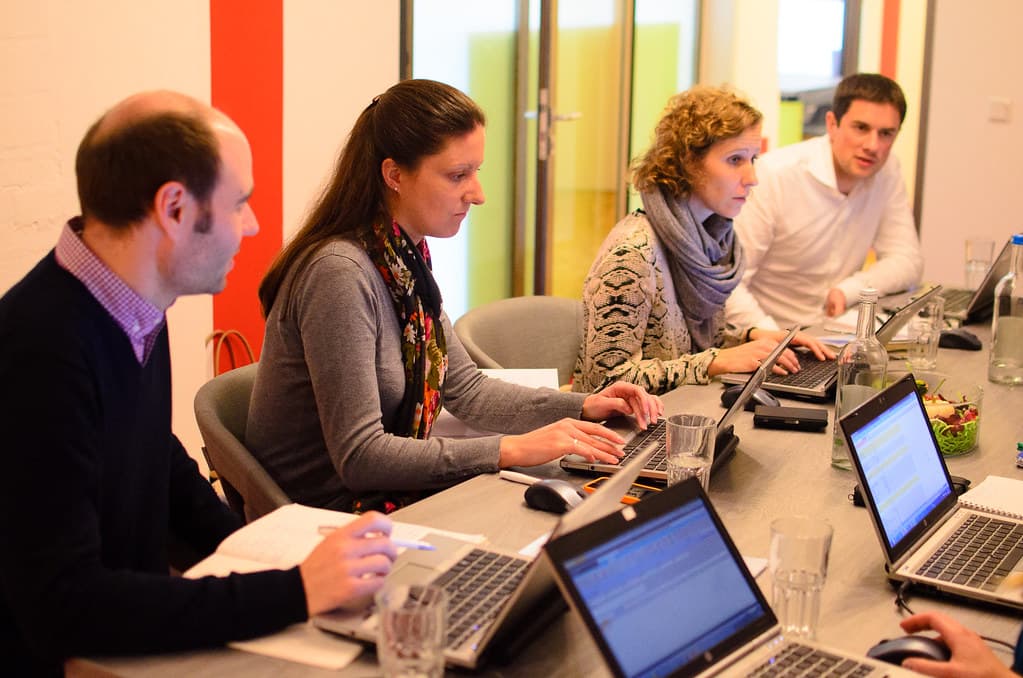
Jackson Tries to Build a Tech Scene From Scratch
With incubators, capital, and a lot of stubborn optimism, the capital is trying to grow a startup ecosystem in a state that has never had one.
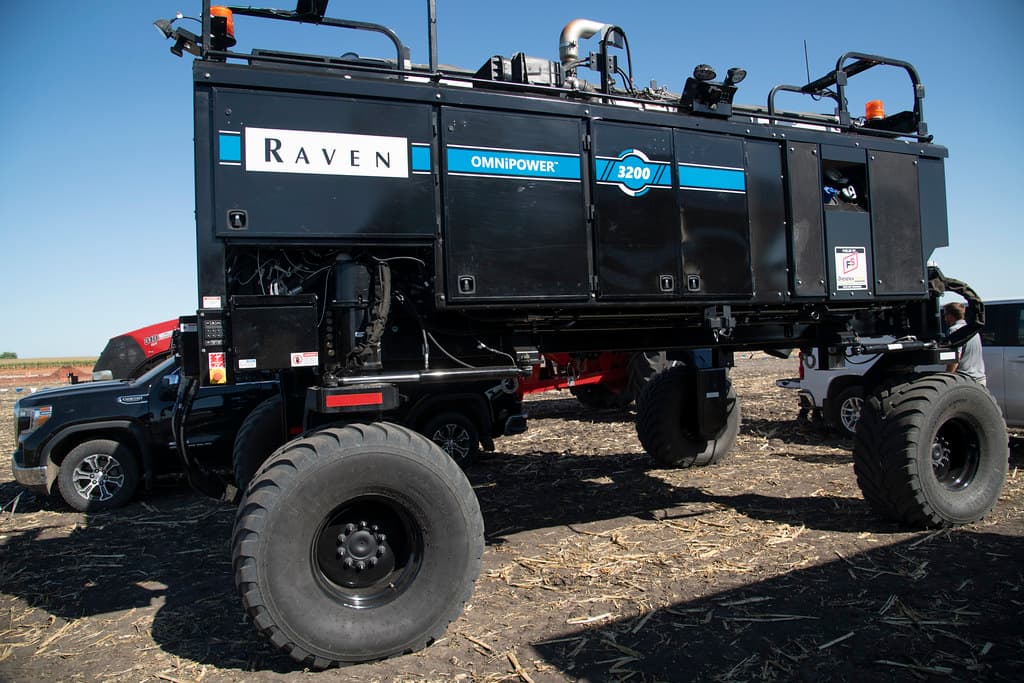
Agritech Startups Sprout in Farm Country
A small but growing crop of technology companies is applying software and data to the state's oldest industry.