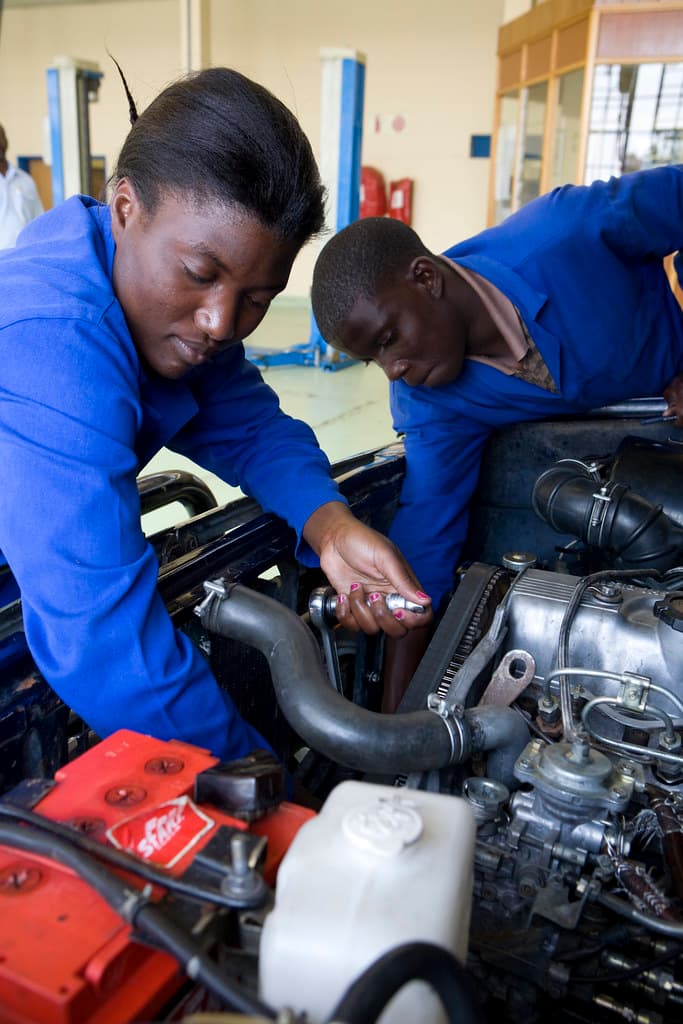
Closing the Skills Gap One Worker at a Time
As employers struggle to find qualified workers, community colleges and training programs are racing to prepare Mississippians for modern jobs.
Across Mississippi, employers voice a common frustration: they have jobs to fill but struggle to find workers with the skills to fill them. Closing that skills gap has become a central economic challenge, and community colleges and training programs are racing to meet it, preparing Mississippians for the demands of modern work.
The gap reflects a mismatch between the skills the economy needs and those the workforce possesses. As industries have modernized, the jobs they offer increasingly require technical training, in advanced manufacturing, health care, information technology, and skilled trades, that many workers lack.
The response centers on the state's community colleges, which have positioned themselves as engines of workforce development, offering programs tailored to the needs of local employers. Partnerships between schools and companies aim to ensure that training aligns with real jobs, and that graduates emerge ready to work.
The stakes are high for workers and the state alike. For individuals, the right training can open the door to stable, well-paid careers. For Mississippi, a more skilled workforce is essential to attracting and keeping the employers that drive economic growth. The skills gap will not close quickly or easily. But the effort to close it, worker by worker and program by program, is among the most consequential economic work the state is doing.
More in Business

The Rise of Black-Owned Business in Mississippi
Supported by new networks and capital, Black entrepreneurs are building businesses across the state, though structural barriers remain.
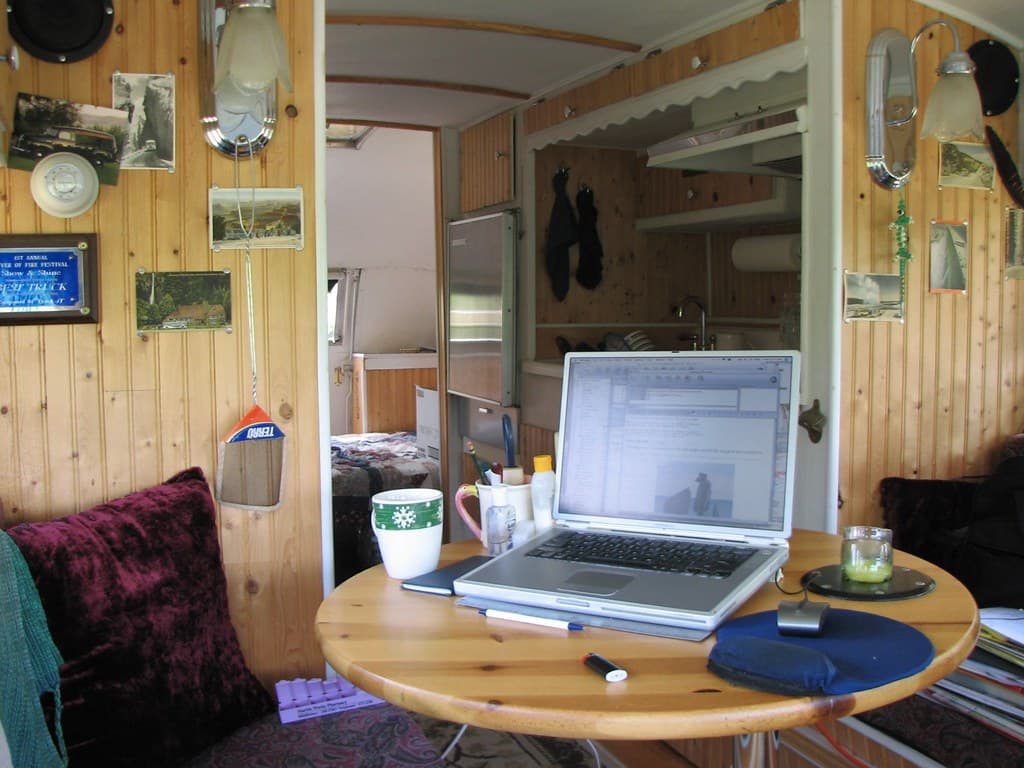
Can Remote Work Repopulate Rural Mississippi?
As remote work loosens the tie between jobs and cities, some Mississippi towns see an opportunity to attract new residents and revenue.
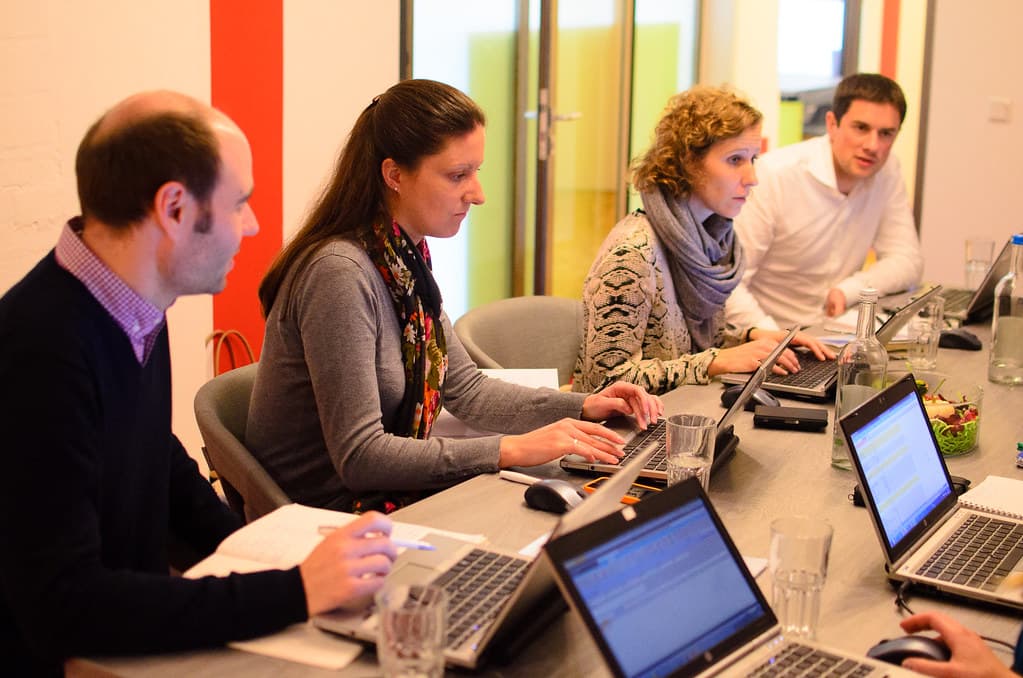
Jackson Tries to Build a Tech Scene From Scratch
With incubators, capital, and a lot of stubborn optimism, the capital is trying to grow a startup ecosystem in a state that has never had one.