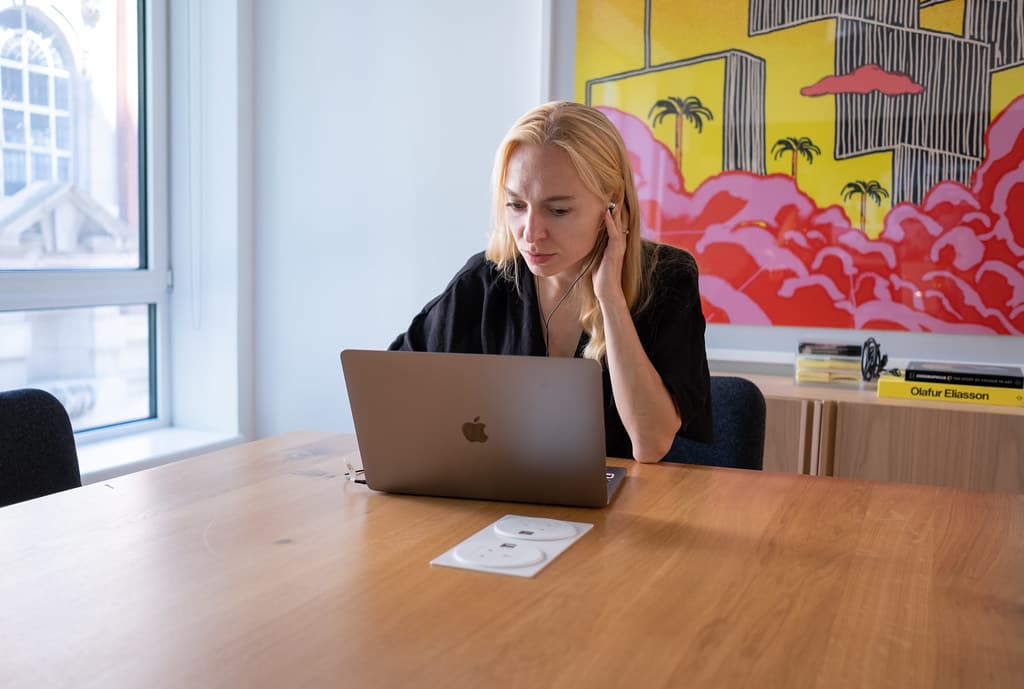
Women Entrepreneurs Build Their Own Networks
Facing distinct obstacles, women business owners across Mississippi are forming networks to share capital, advice, and support.
Starting and running a business is hard for anyone, but women entrepreneurs often face distinct obstacles, from unequal access to capital to networks that historically excluded them. Across Mississippi, women business owners are responding by building networks of their own, to share capital, advice, and support.
The networks take many forms, formal organizations, informal groups, mentorship programs, and lending initiatives, but share a common purpose: to provide women entrepreneurs the connections and resources that have too often been harder for them to access. In a business world still shaped by old imbalances, such support can be decisive.
Capital is a persistent theme. Women-owned businesses have historically struggled to secure financing on equal terms, and several of the networks focus specifically on connecting entrepreneurs to funding, or on providing it directly. Access to capital, participants note, is often the difference between an idea and a business.
Beyond capital, the networks offer something less tangible but equally valuable: community. The experience of building a business can be isolating, and the chance to share it with others who understand provides encouragement, practical knowledge, and resilience. As women entrepreneurs multiply across Mississippi, the networks they are building are helping ensure that the next generation faces fewer of the barriers that constrained those before them.
More in Business

The Rise of Black-Owned Business in Mississippi
Supported by new networks and capital, Black entrepreneurs are building businesses across the state, though structural barriers remain.
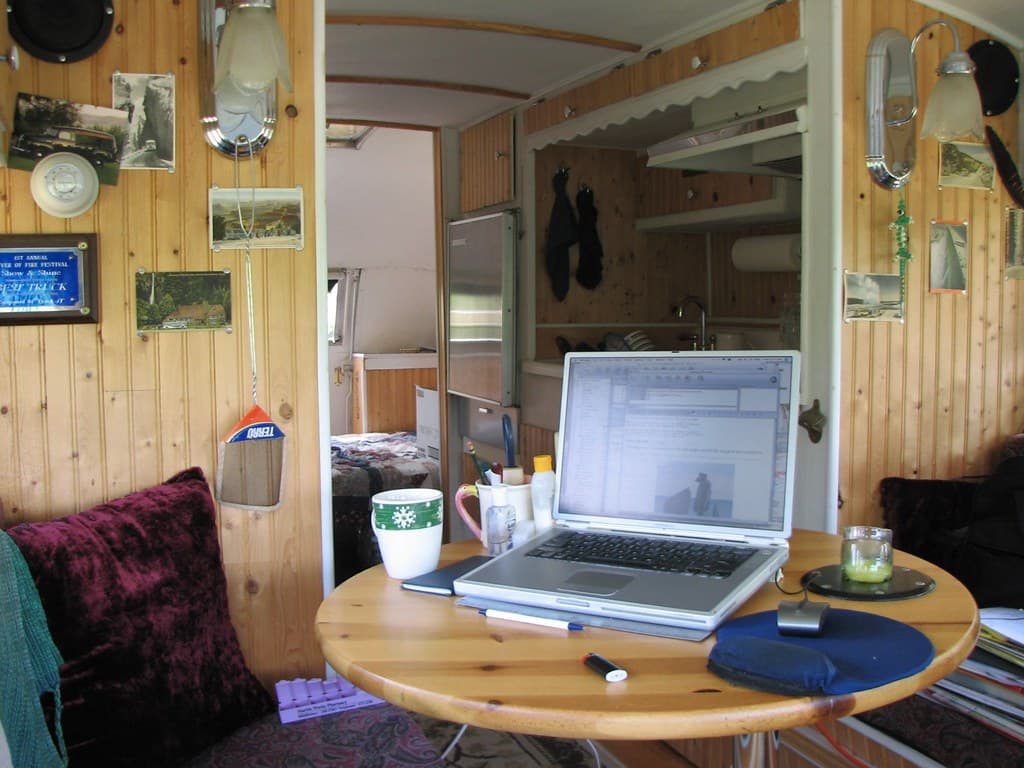
Can Remote Work Repopulate Rural Mississippi?
As remote work loosens the tie between jobs and cities, some Mississippi towns see an opportunity to attract new residents and revenue.
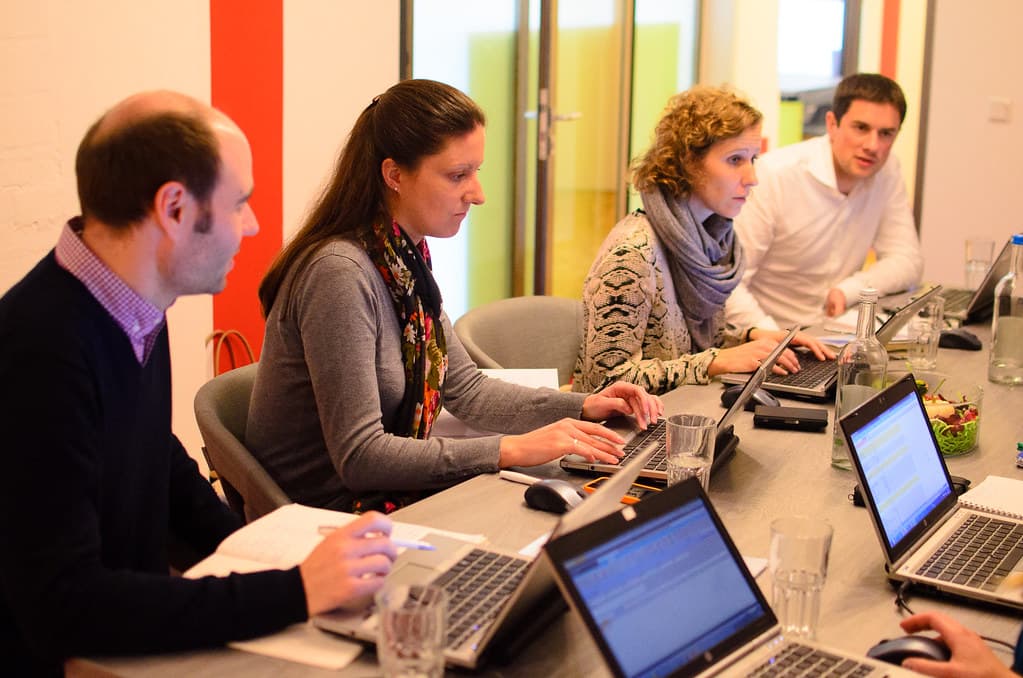
Jackson Tries to Build a Tech Scene From Scratch
With incubators, capital, and a lot of stubborn optimism, the capital is trying to grow a startup ecosystem in a state that has never had one.