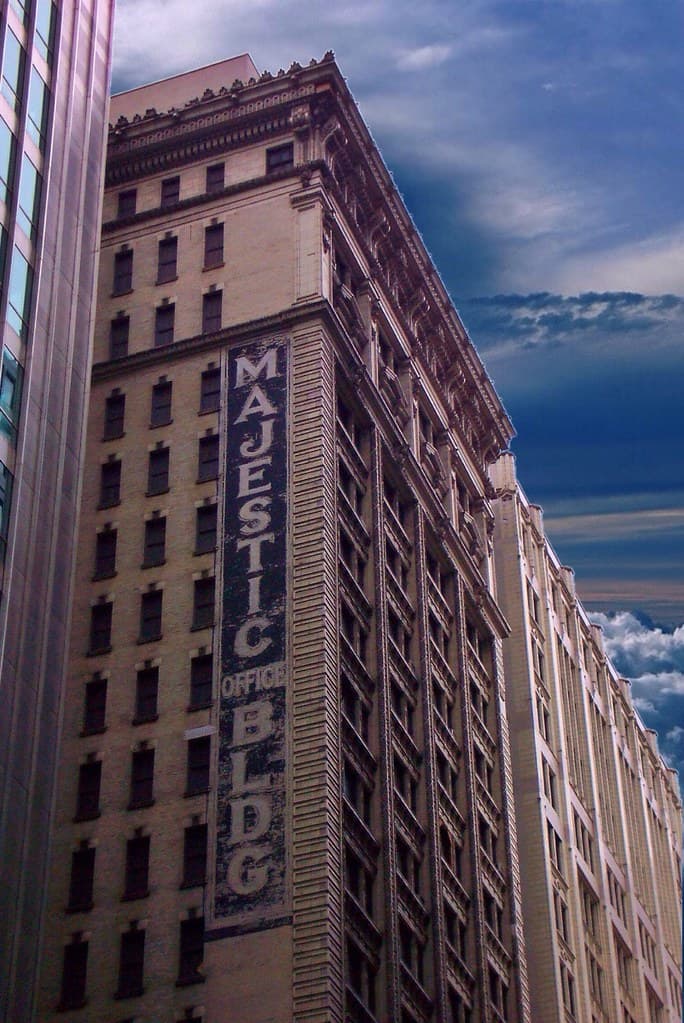
Selling Mississippi: The Business of Heritage Tourism
The state's rich cultural history has become a significant economic asset, as tourism built on music, food, and the past draws visitors and dollars.
Mississippi's past is complicated, but parts of it have become a genuine economic asset. Heritage tourism, built on the state's rich cultural history, its music, its literature, its food, and its landmarks, has grown into a significant industry, drawing visitors and their dollars from around the world.
The appeal is real and distinctive. Mississippi can lay claim to the birth of the blues, a remarkable literary tradition, a celebrated culinary heritage, and a central role in pivotal chapters of American history. For travelers seeking authenticity and meaning, the state offers a deep well.
Translating that heritage into economic activity requires infrastructure and effort: museums and markers, festivals and tours, hotels and restaurants to serve the visitors. The state and local communities have invested in building out this apparatus, betting that culture can be a durable economic engine.
The strategy raises its own questions, about who benefits, about how history is packaged and presented, and about the balance between honoring the past and marketing it. But the economic logic is sound. In a state that has struggled to attract industry, its own rich and singular heritage has proven to be one of its most valuable exports, sold not by shipping it away but by drawing the world in to experience it.
More in Business
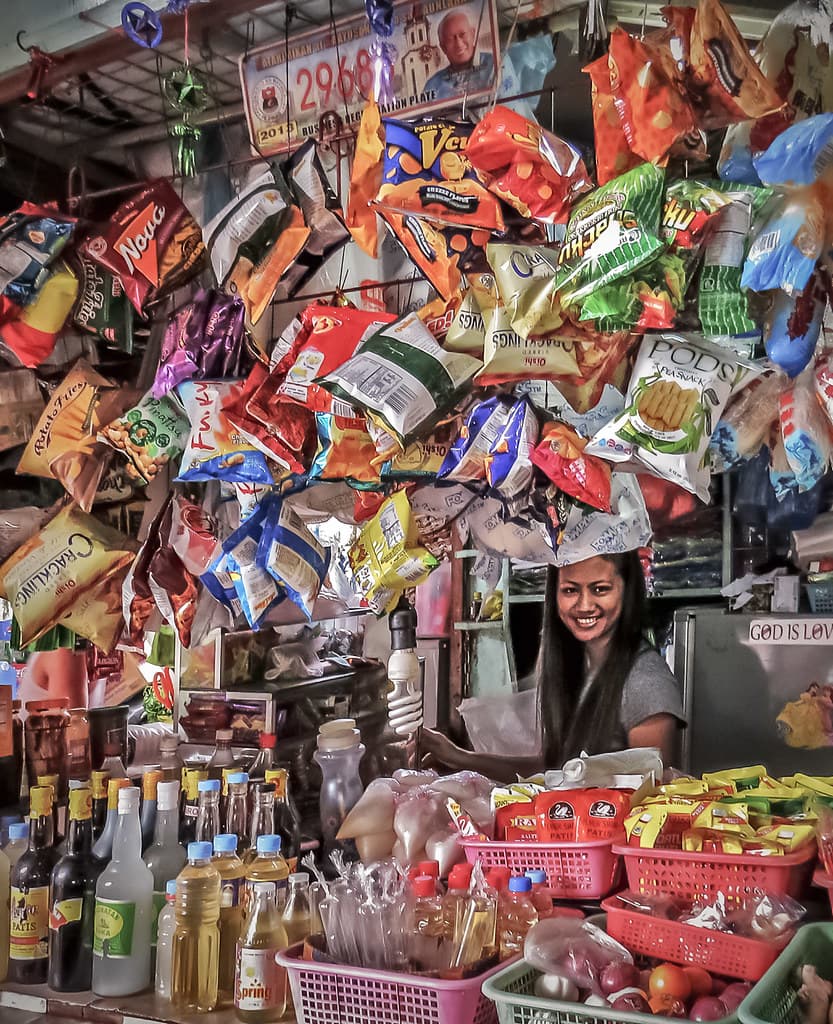
The Rise of Black-Owned Business in Mississippi
Supported by new networks and capital, Black entrepreneurs are building businesses across the state, though structural barriers remain.
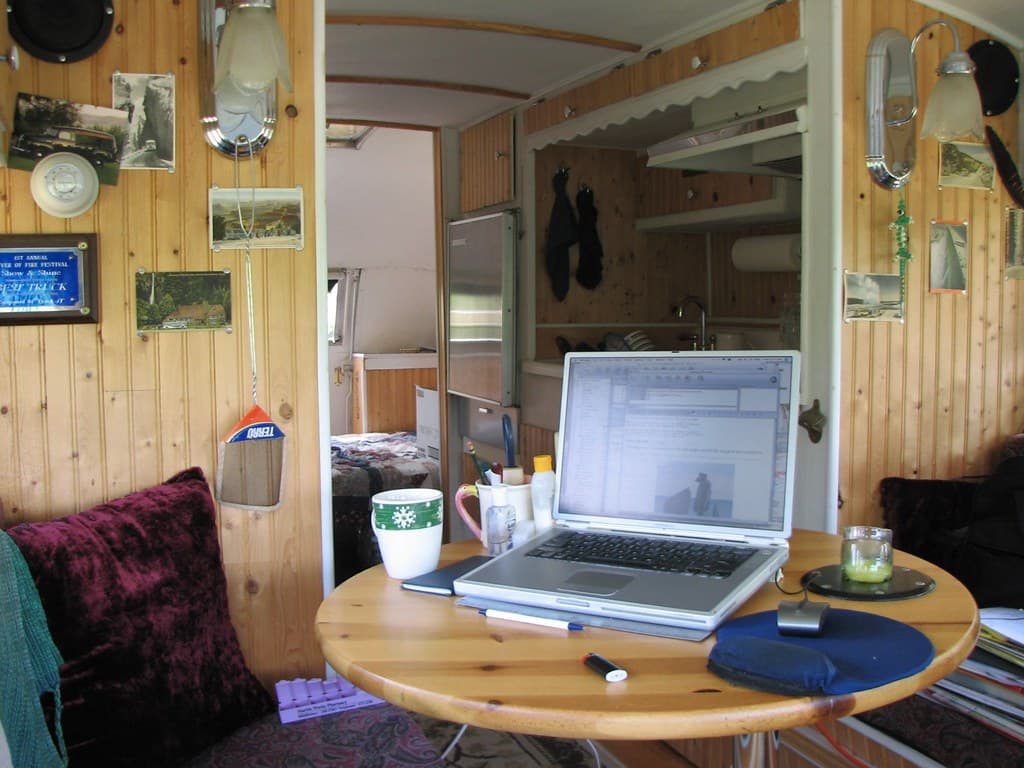
Can Remote Work Repopulate Rural Mississippi?
As remote work loosens the tie between jobs and cities, some Mississippi towns see an opportunity to attract new residents and revenue.

Jackson Tries to Build a Tech Scene From Scratch
With incubators, capital, and a lot of stubborn optimism, the capital is trying to grow a startup ecosystem in a state that has never had one.