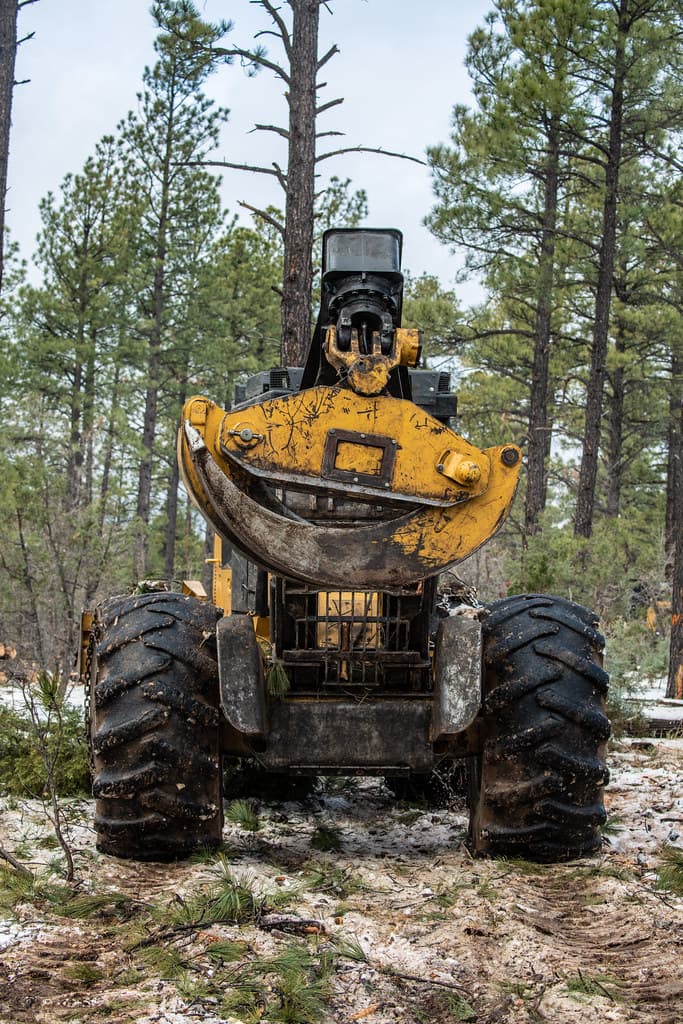
The Quiet Giant of Mississippi's Economy: Timber
Often overshadowed by row crops, forestry is one of the state's largest agricultural sectors, and it is navigating a changing market.
Ask most people to name Mississippi's major crops and they will say cotton, soybeans, perhaps catfish. Few will say trees. Yet forestry is one of the state's largest agricultural sectors, a quiet giant that covers much of the landscape and feeds a substantial industry in timber, pulp, and paper.
Mississippi's climate and soil are well suited to fast-growing pine, and vast stretches of the state are given over to managed forest. The trees are a long-term crop, planted and harvested on cycles measured in decades, which lends the industry a rhythm quite different from annual row crops.
The sector faces a shifting market. Demand for paper has declined in the digital age, even as interest has grown in wood as a renewable building material and in forests as tools for capturing carbon. The industry is working to adapt to these crosscurrents, seeking new markets for an old product.
Forestry's importance extends beyond economics. Managed forests shape the state's ecology and landscape, and decisions about how they are cut and replanted carry environmental weight. For all its low profile, timber remains a pillar of rural Mississippi, a crop that grows slowly, out of sight, and holds up more of the economy than most people realize.
More in Agriculture & Industry
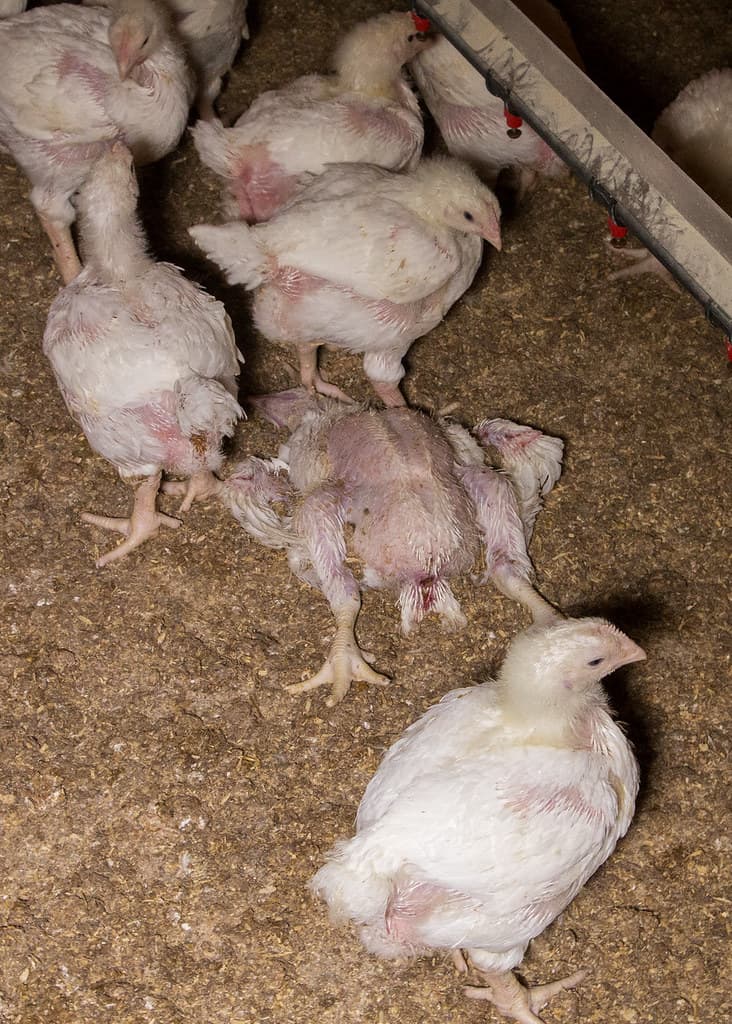
Poultry Is King: Mississippi's Biggest Agricultural Engine
Broiler chickens quietly generate more farm income than any other commodity in the state, sustaining a vast and demanding industry.

The Next Generation Weighs Whether to Farm at All
As the average age of Mississippi farmers climbs, the question of who will work the land grows more urgent.
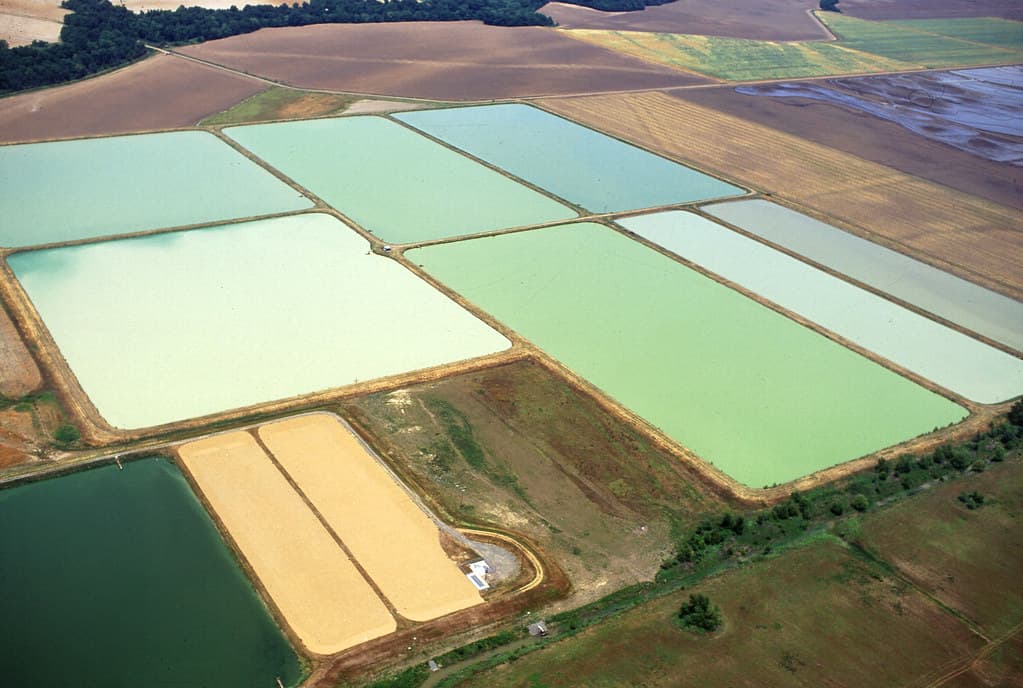
Inside the Fight to Save the American Catfish
Mississippi produces most of the nation's farm-raised catfish. A wave of automation and branding is its answer to years of cheap imports.