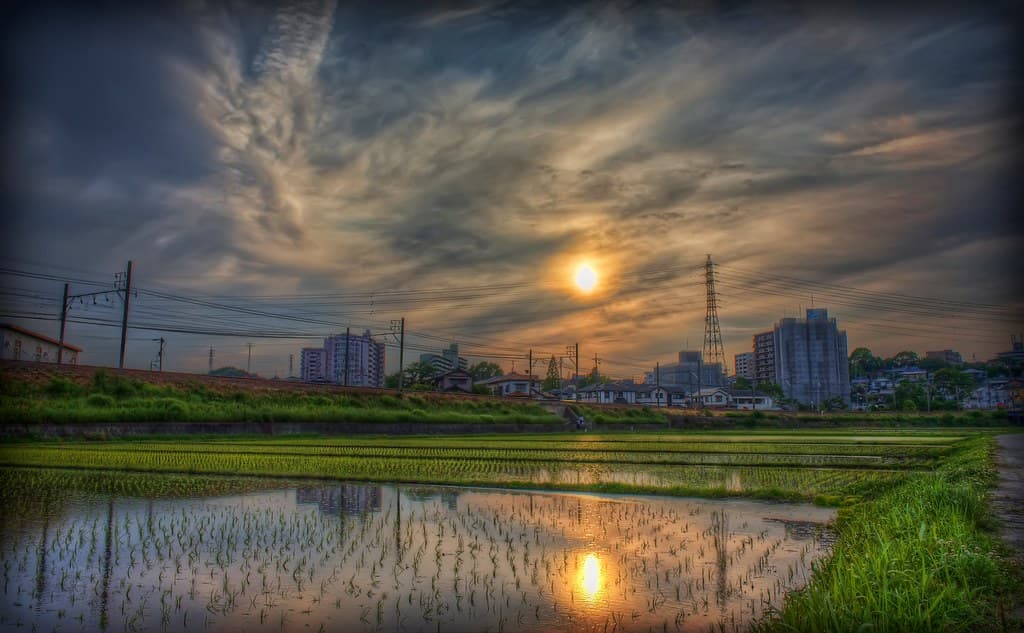
The Next Generation Weighs Whether to Farm at All
As the average age of Mississippi farmers climbs, the question of who will work the land grows more urgent.
The average American farmer is nearing retirement age, and Mississippi is no exception. As the generation that has worked the land for decades grows older, an urgent question presses on the state's agriculture: who, if anyone, will take their place?
The obstacles facing would-be young farmers are formidable. Farmland is expensive, equipment costs are enormous, and the financial risks of agriculture are daunting for anyone without inherited land or capital. Many children of farmers choose other careers, unwilling to take on the burden and the uncertainty.
Yet not all of them leave. A committed minority are staying, or returning, drawn by a connection to the land and a belief in the work. Some are experimenting with new models, smaller operations, specialty crops, direct sales, that require less land and capital than commodity farming.
The stakes extend beyond individual families to the future of rural communities and the state's food production. Programs to support beginning farmers exist but remain modest relative to the challenge. The generational transition now underway will shape Mississippi agriculture for decades, and its outcome is far from settled. The land will still be here. The question is whose hands will work it.
More in Agriculture & Industry
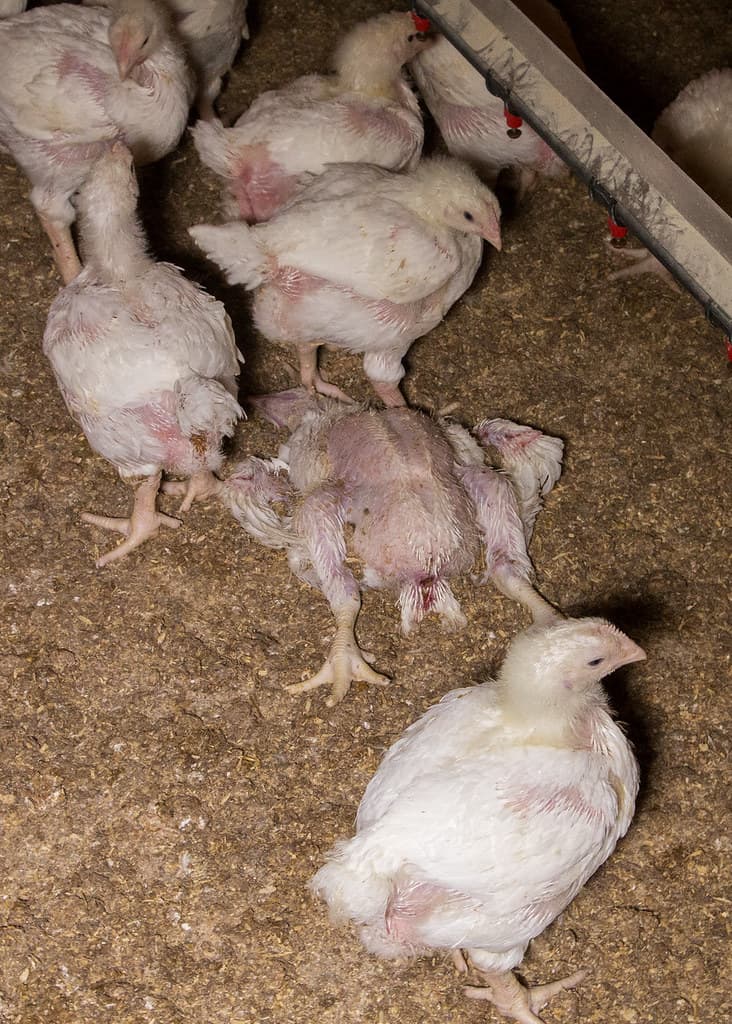
Poultry Is King: Mississippi's Biggest Agricultural Engine
Broiler chickens quietly generate more farm income than any other commodity in the state, sustaining a vast and demanding industry.
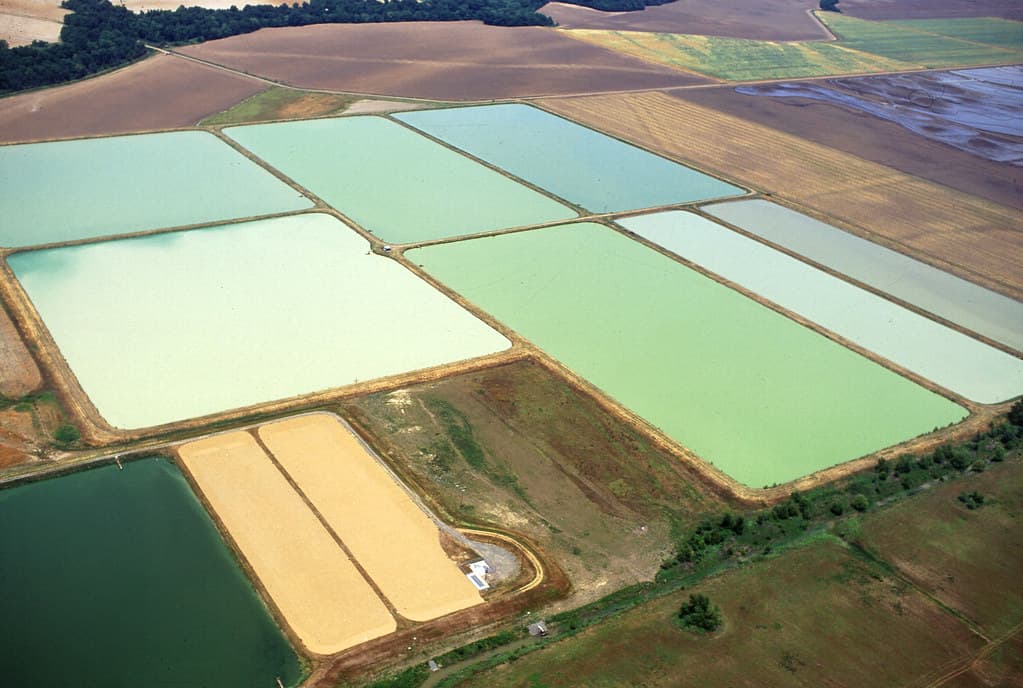
Inside the Fight to Save the American Catfish
Mississippi produces most of the nation's farm-raised catfish. A wave of automation and branding is its answer to years of cheap imports.

Blueberries Bloom Into a Mississippi Success Story
Once a minor crop, blueberries have grown into a significant industry in the southern part of the state, drawing both farmers and pickers.