Inside the Fight to Save the American Catfish
Mississippi produces most of the nation's farm-raised catfish. A wave of automation and branding is its answer to years of cheap imports.
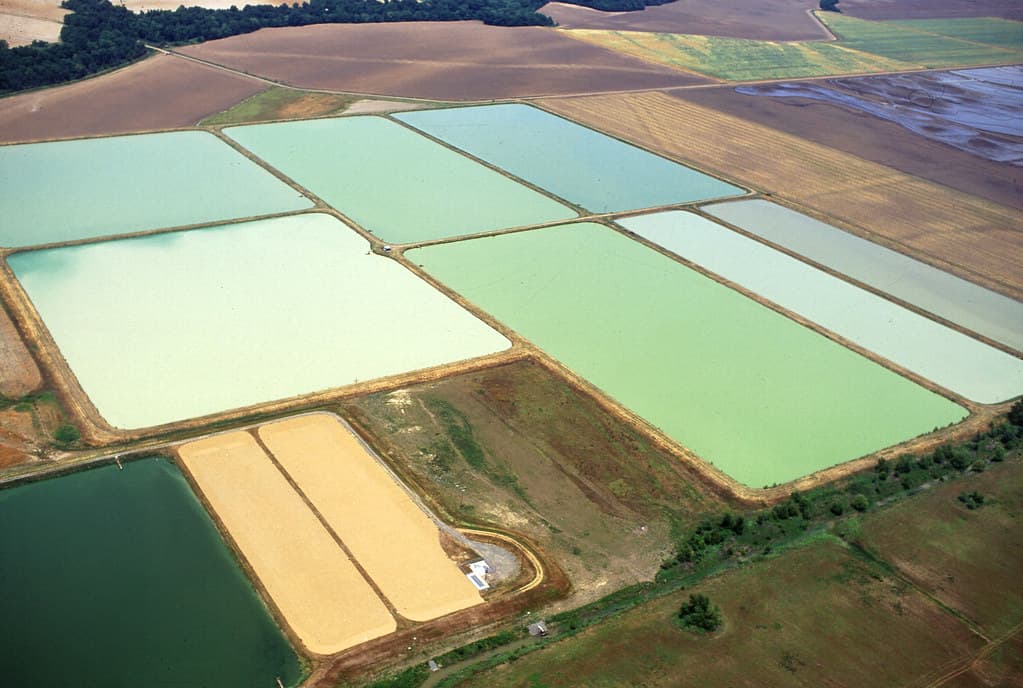
The catfish ponds of the Mississippi Delta stretch to the horizon, flat rectangles of water that make the state the undisputed capital of American farm-raised catfish. For years, that dominance has been under siege from cheaper imported fish, and the industry's survival has been anything but assured.
The response has come on two fronts. On the farms, operators are investing in automation, aeration systems, feeding technology, and monitoring tools that squeeze more efficiency from every pond and pound. The work of raising fish is becoming, gradually, a more technological enterprise.
On the marketing side, the industry has fought to distinguish its product from imports, emphasizing that American-farmed catfish is raised under stricter standards and, its champions argue, simply tastes better. The push includes labeling battles and campaigns aimed at restaurants and grocers.
The stakes reach beyond any single business. Catfish farming supports processing plants, feed mills, and rural communities across the Delta, and its decline would ripple widely. The industry is not out of danger, but it is fighting, with technology and branding, to hold ground it has spent decades building in some of the state's poorest regions.
More in Agriculture & Industry
Poultry Is King: Mississippi's Biggest Agricultural Engine
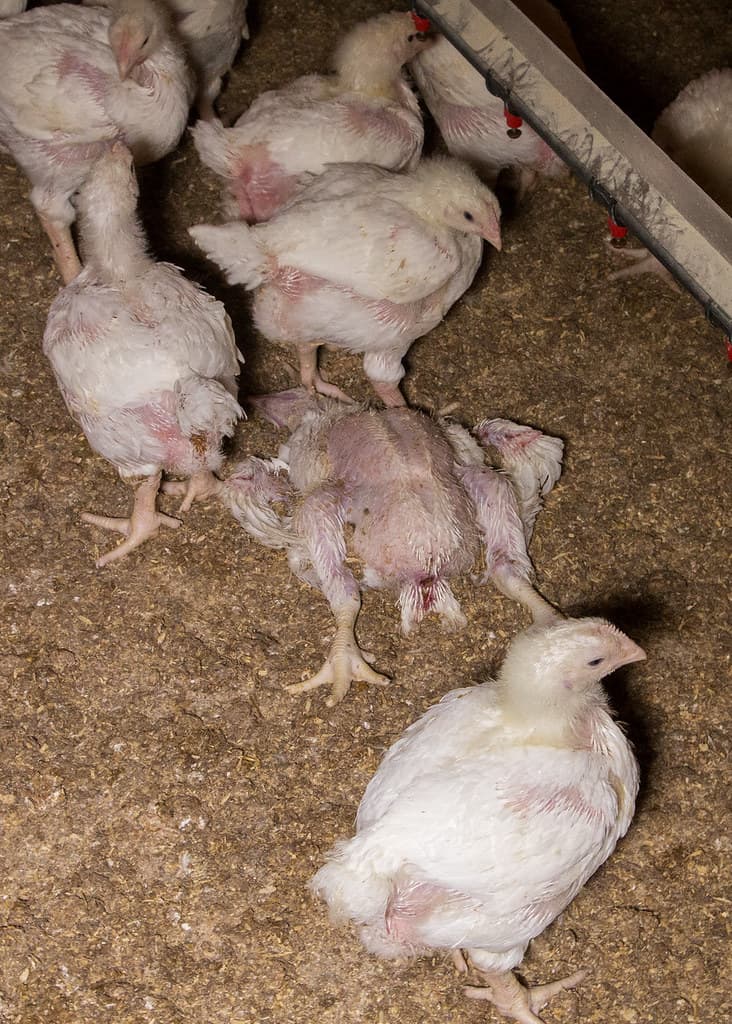
Broiler chickens quietly generate more farm income than any other commodity in the state, sustaining a vast and demanding industry.

The Next Generation Weighs Whether to Farm at All
As the average age of Mississippi farmers climbs, the question of who will work the land grows more urgent.

Blueberries Bloom Into a Mississippi Success Story
Once a minor crop, blueberries have grown into a significant industry in the southern part of the state, drawing both farmers and pickers.