How the River Turns Mississippi Soybeans Into Global Trade
The state's soybean crop depends on an intricate logistics chain that begins in a Delta field and ends at a distant port. Any weak link is costly.
A soybean grown in the Mississippi Delta is destined, more often than not, for a table on the other side of the world. Connecting that field to that distant market is an intricate logistics chain that runs, quite literally, down the river, and any weak link in it can prove expensive.
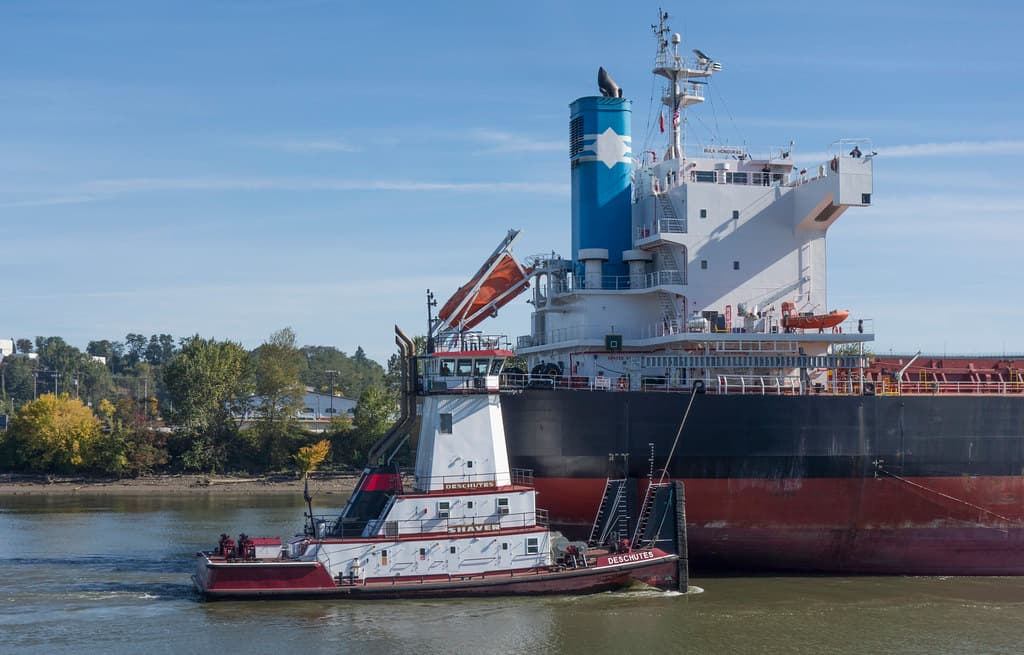
The crop moves from farm to elevator to barge, floating down the Mississippi River to export terminals near the Gulf, where it is loaded onto ships bound for global buyers. The river is the spine of the whole system, a natural highway that gives American soybeans a crucial cost advantage.
That advantage is not guaranteed. Low water levels can halt or slow barge traffic, aging locks and infrastructure create bottlenecks, and global trade tensions can upend demand overnight. Farmers watch these distant variables closely, knowing their livelihoods depend on links in the chain far beyond their fields.
The system's efficiency is a marvel and its fragility a constant worry. Investment in the river's infrastructure has often lagged, and each disruption is a reminder of how much rides on it. For Mississippi's soybean farmers, the crop's journey from Delta soil to foreign port is a daily lesson in how local agriculture and global trade are bound tightly together.
More in Agriculture & Industry
Poultry Is King: Mississippi's Biggest Agricultural Engine
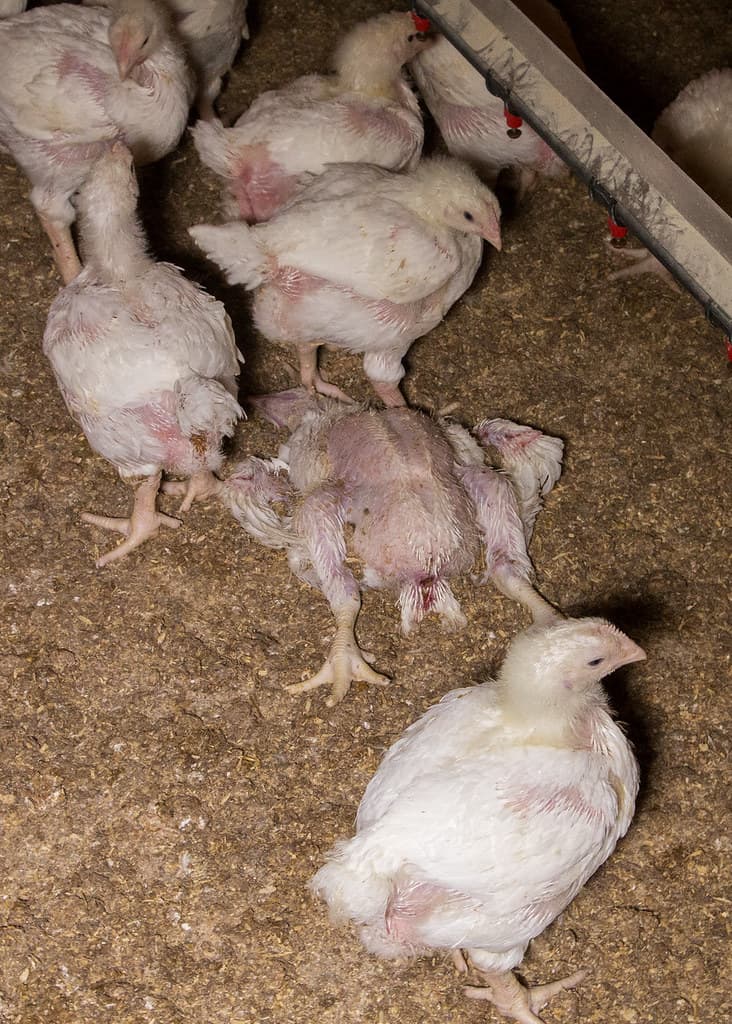
Broiler chickens quietly generate more farm income than any other commodity in the state, sustaining a vast and demanding industry.

The Next Generation Weighs Whether to Farm at All
As the average age of Mississippi farmers climbs, the question of who will work the land grows more urgent.
Inside the Fight to Save the American Catfish
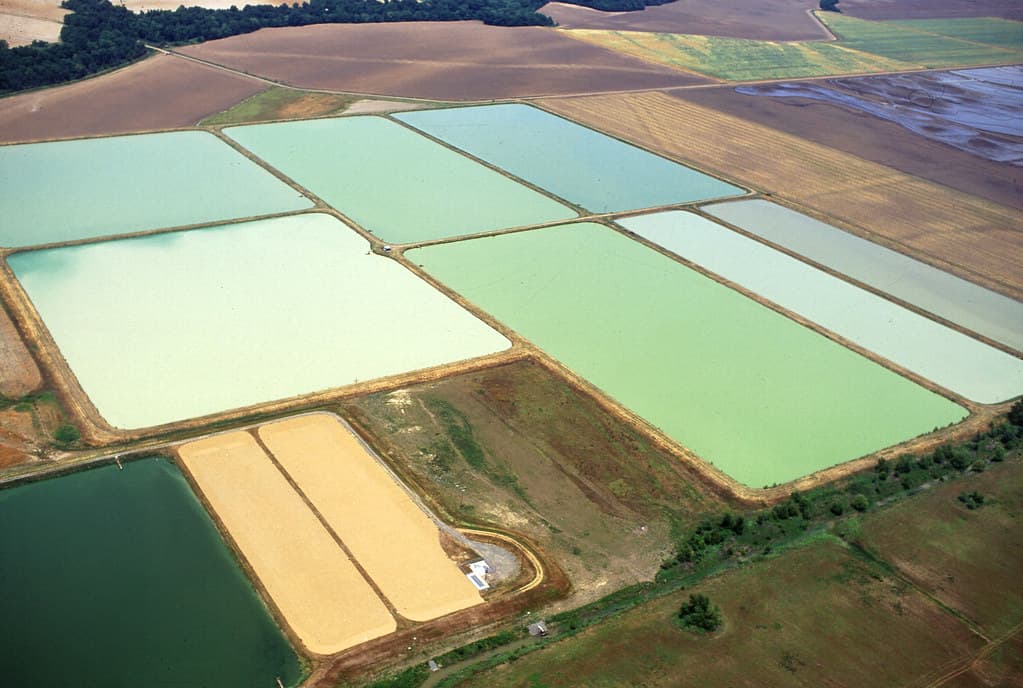
Mississippi produces most of the nation's farm-raised catfish. A wave of automation and branding is its answer to years of cheap imports.