On the Coast, Shipbuilding Anchors an Economy
The Gulf Coast's shipyards are among the state's largest employers, building vessels for the Navy and the commercial market alike.
The Mississippi Gulf Coast is known to outsiders for its beaches and casinos, but its economic backbone is heavier and less picturesque: shipbuilding. The coast's shipyards are among the largest employers in the state, constructing vessels for the Navy and commercial customers on a massive scale.
Shipbuilding is a demanding industry, requiring vast facilities, specialized skills, and enormous capital. The coast's yards employ thousands of workers in trades from welding to electrical work to engineering, providing the kind of stable, well-paid industrial jobs that have grown scarce across much of the country.
The industry's fortunes are tied closely to federal spending, particularly defense contracts, which makes it sensitive to the shifting priorities of distant budget decisions. A single large contract can secure years of work; the loss of one can ripple through the whole regional economy.
Beyond the direct employment, the yards anchor a web of suppliers, contractors, and service businesses that depend on them. Training the next generation of skilled workers is a persistent challenge, as the trades the industry requires take years to master. For the coast, shipbuilding is more than an industry. It is a foundation, heavy and enduring, on which much of the regional economy is built.
More in Agriculture & Industry

Poultry Is King: Mississippi's Biggest Agricultural Engine
Broiler chickens quietly generate more farm income than any other commodity in the state, sustaining a vast and demanding industry.

The Next Generation Weighs Whether to Farm at All
As the average age of Mississippi farmers climbs, the question of who will work the land grows more urgent.
Inside the Fight to Save the American Catfish
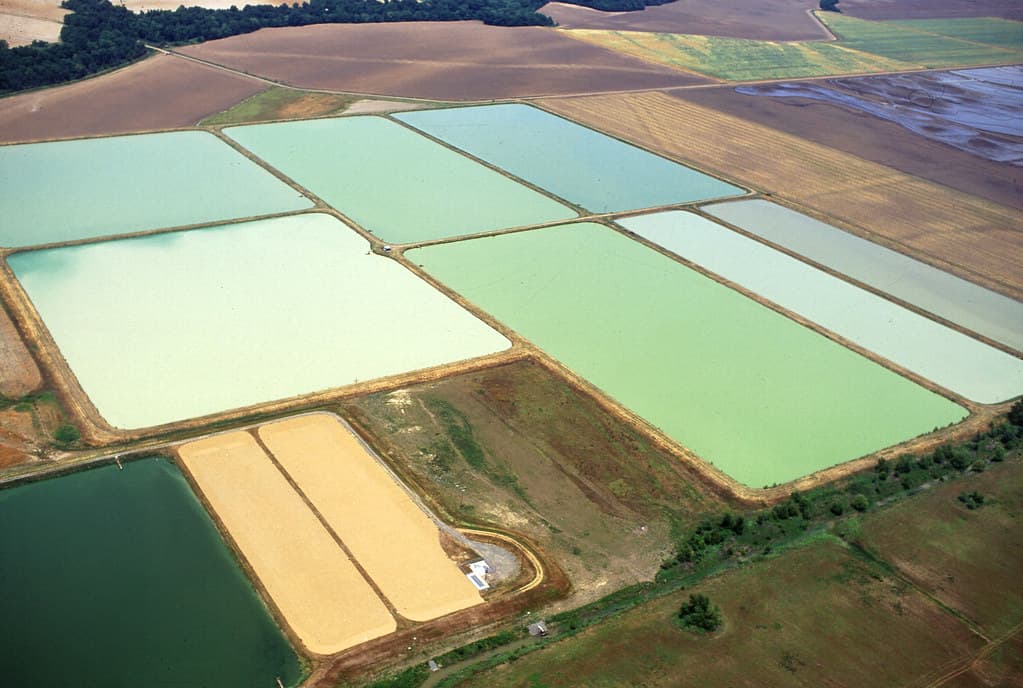
Mississippi produces most of the nation's farm-raised catfish. A wave of automation and branding is its answer to years of cheap imports.