
Oil and Gas Still Fuel Parts of the Mississippi Economy
Though overshadowed by neighboring states, energy extraction remains an important industry in a swath of southern Mississippi.
Mississippi is not the first state that comes to mind when the conversation turns to oil and gas, overshadowed by its energy-rich neighbors. Yet extraction remains a meaningful industry in a swath of the southern part of the state, contributing jobs, tax revenue, and a distinct economic character to the counties where it operates.
The industry has a long history in Mississippi, with fields that have produced for generations. While the scale is modest compared to major energy states, the activity supports well-paid jobs and generates revenue that matters considerably to the local governments and communities involved.
Energy extraction is a cyclical business, its fortunes tied to prices set in global markets far beyond Mississippi's control. Booms bring investment and hiring; busts bring layoffs and uncertainty. Communities dependent on the industry ride these cycles, prospering and struggling in turn.
The long-term trajectory is clouded by the broader energy transition and questions about the future of fossil fuels. For now, though, oil and gas remain part of the economic fabric of southern Mississippi, a reminder that the state's industrial base is more varied than its agricultural reputation suggests. In these counties, the rhythms of the energy market shape daily life in ways the rest of the state rarely sees.
More in Agriculture & Industry
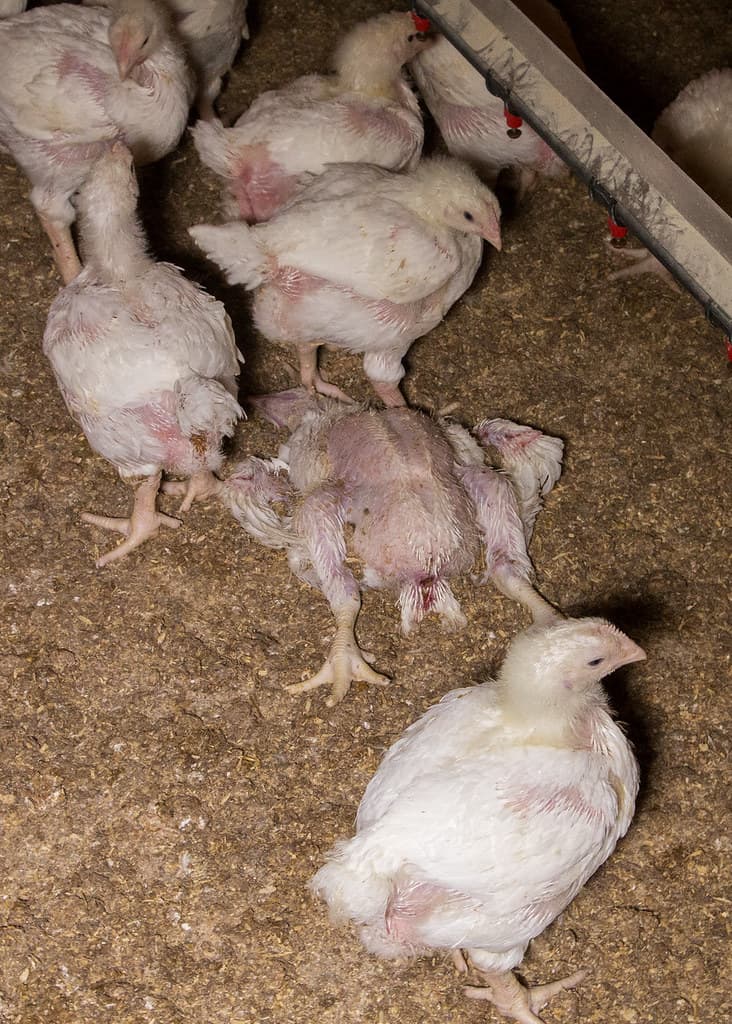
Poultry Is King: Mississippi's Biggest Agricultural Engine
Broiler chickens quietly generate more farm income than any other commodity in the state, sustaining a vast and demanding industry.

The Next Generation Weighs Whether to Farm at All
As the average age of Mississippi farmers climbs, the question of who will work the land grows more urgent.
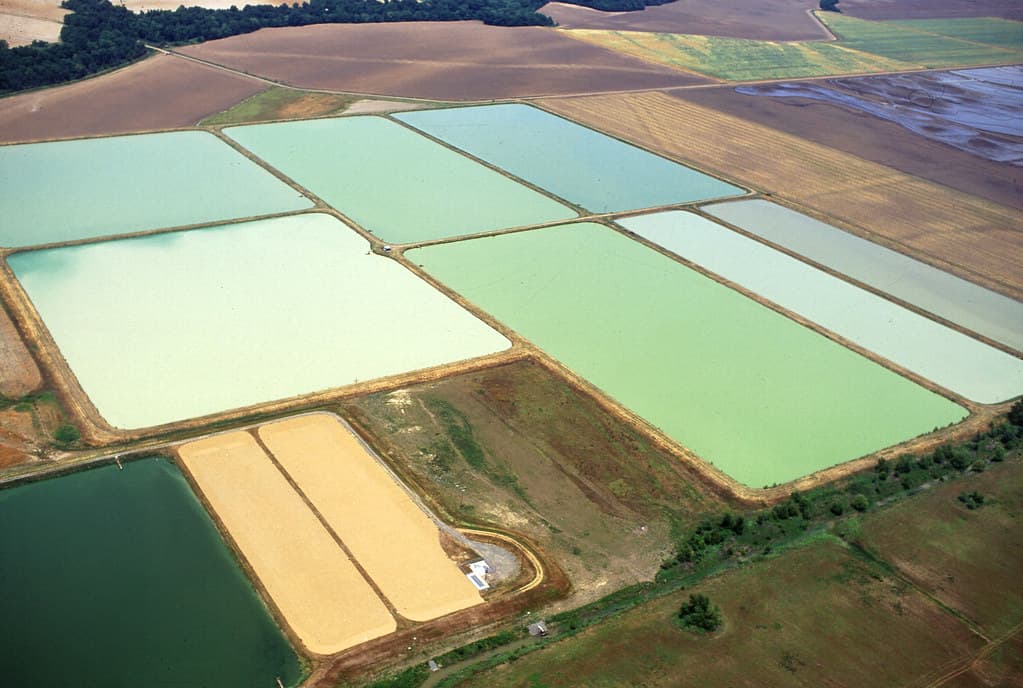
Inside the Fight to Save the American Catfish
Mississippi produces most of the nation's farm-raised catfish. A wave of automation and branding is its answer to years of cheap imports.