
The Grain Elevator: Rural Mississippi's Unsung Infrastructure
Towering over small towns, grain elevators are critical links in the agricultural economy, and their condition matters more than most realize.
They rise above the flat Mississippi landscape like industrial cathedrals, visible for miles: the grain elevators that store and handle the crops flowing out of the surrounding fields. Unglamorous and easy to overlook, they are nonetheless critical infrastructure, and their condition matters more than most people realize.
The elevator is a hinge in the agricultural economy, the point where a farmer's crop is weighed, stored, and prepared for the next leg of its journey to market. It provides storage that lets farmers hold grain for better prices and aggregates the output of many farms for efficient transport.
Much of this infrastructure is aging, built decades ago and maintained on tight budgets. Modernizing it, or simply keeping it functional, is a constant concern in an industry where margins are thin and the equipment is expensive. A failing elevator can strand a community's harvest.
The elevators also anchor the small towns they tower over, both economically and visually, a reminder of the agricultural activity that gives these places their reason for being. As farming consolidates and evolves, the fate of the grain elevator, that unsung giant of rural infrastructure, is bound up with the fate of the communities it serves.
More in Agriculture & Industry
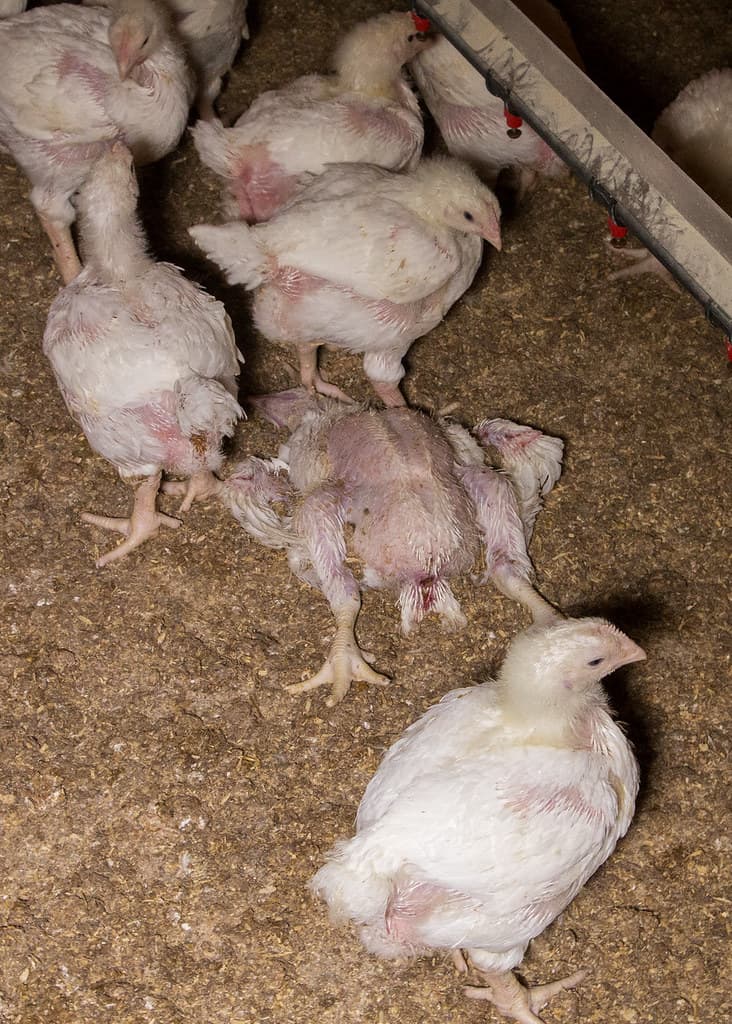
Poultry Is King: Mississippi's Biggest Agricultural Engine
Broiler chickens quietly generate more farm income than any other commodity in the state, sustaining a vast and demanding industry.

The Next Generation Weighs Whether to Farm at All
As the average age of Mississippi farmers climbs, the question of who will work the land grows more urgent.
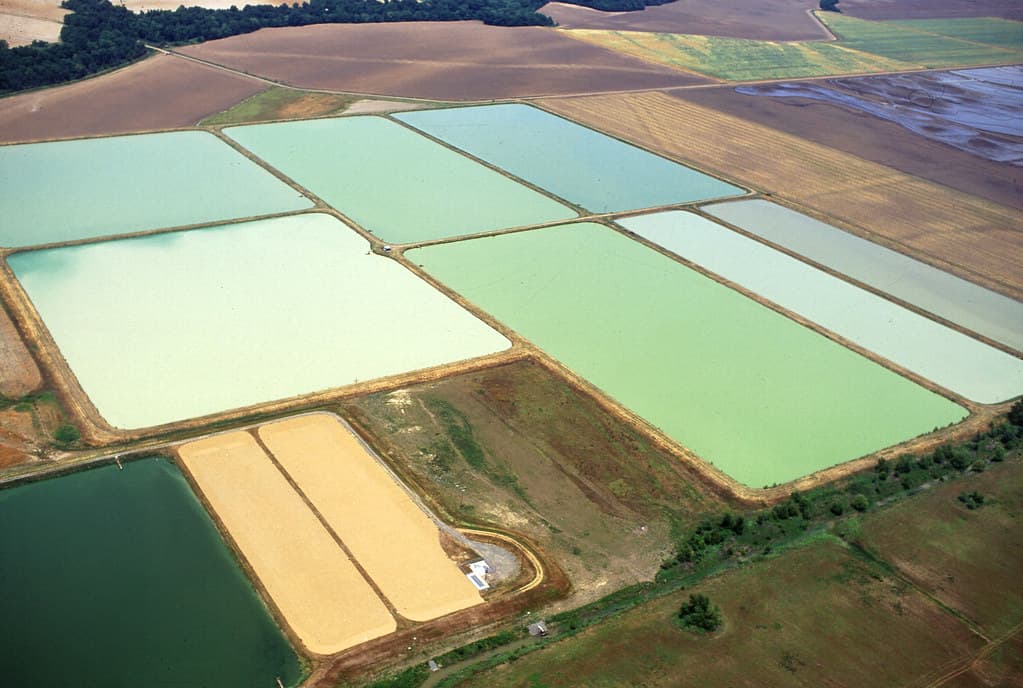
Inside the Fight to Save the American Catfish
Mississippi produces most of the nation's farm-raised catfish. A wave of automation and branding is its answer to years of cheap imports.