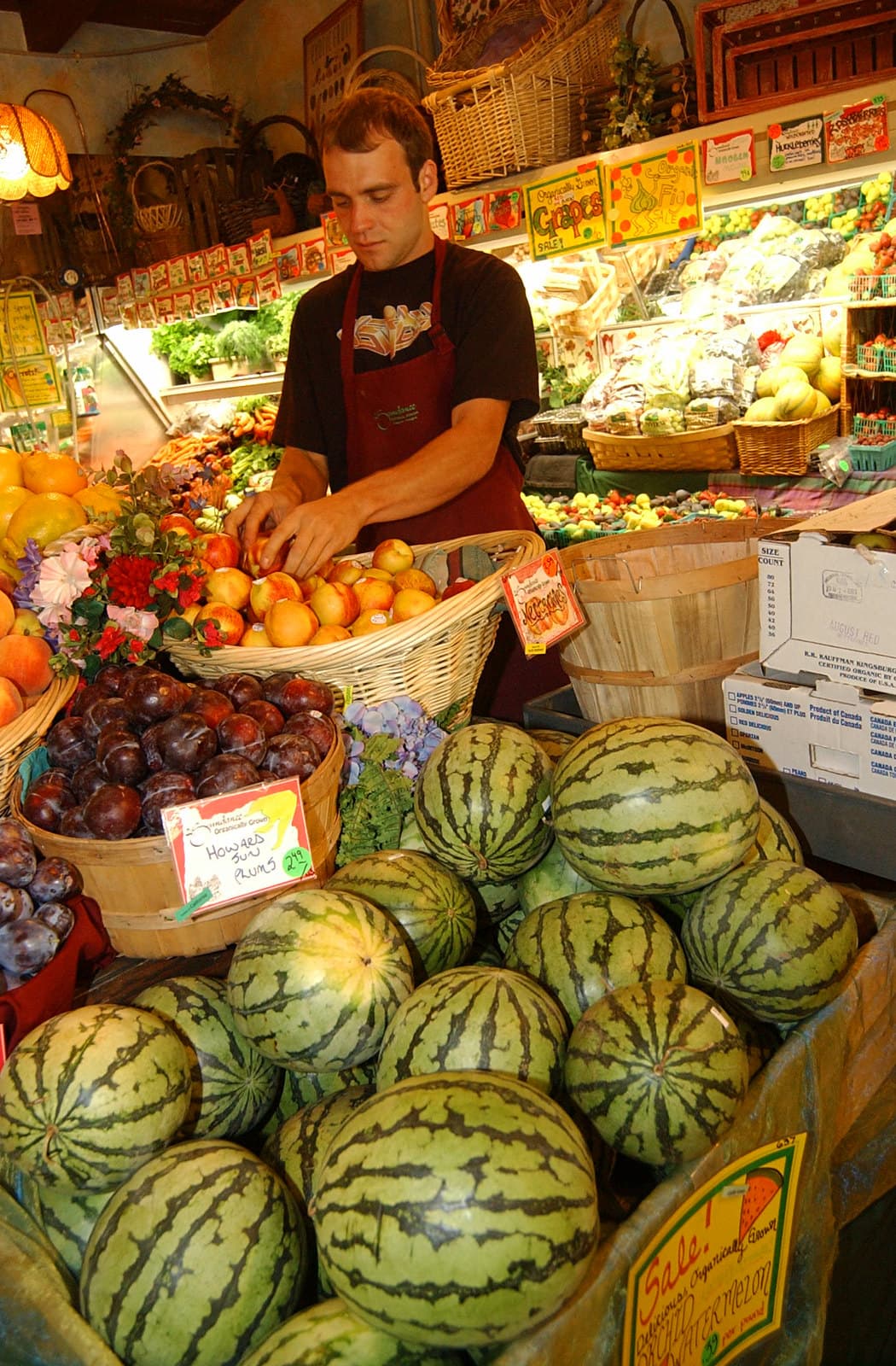
In the Delta's Food Deserts, a Cooperative Fights Back
Where chain grocers have fled, community-owned markets are trying to restore access to fresh food in some of the state's poorest counties.
Some of the most fertile farmland in America surrounds towns where residents cannot easily buy a fresh vegetable. The paradox of the Delta food desert, abundant agriculture alongside scarce access to nutritious food, has persisted for decades as chain grocers have abandoned small, poor communities.
Into that gap, a handful of community-owned cooperatives have stepped. Member-funded and locally governed, these small markets aim to restore access to fresh food in places the national chains deemed unprofitable, on terms set by the residents themselves.
The model is difficult. Grocery is a low-margin business under the best conditions, and operating in communities with limited buying power makes it harder still. The cooperatives survive on a mix of member investment, grants, and sheer determination.
Their advocates frame the work as a matter of basic dignity and health, not charity. A community that grows food for the world, they argue, should be able to feed itself. The cooperatives remain fragile and few, and no one pretends they solve the underlying problem. But each open market is a small rebuttal to the idea that some places simply have to go without.
More in Food & Southern Cuisine
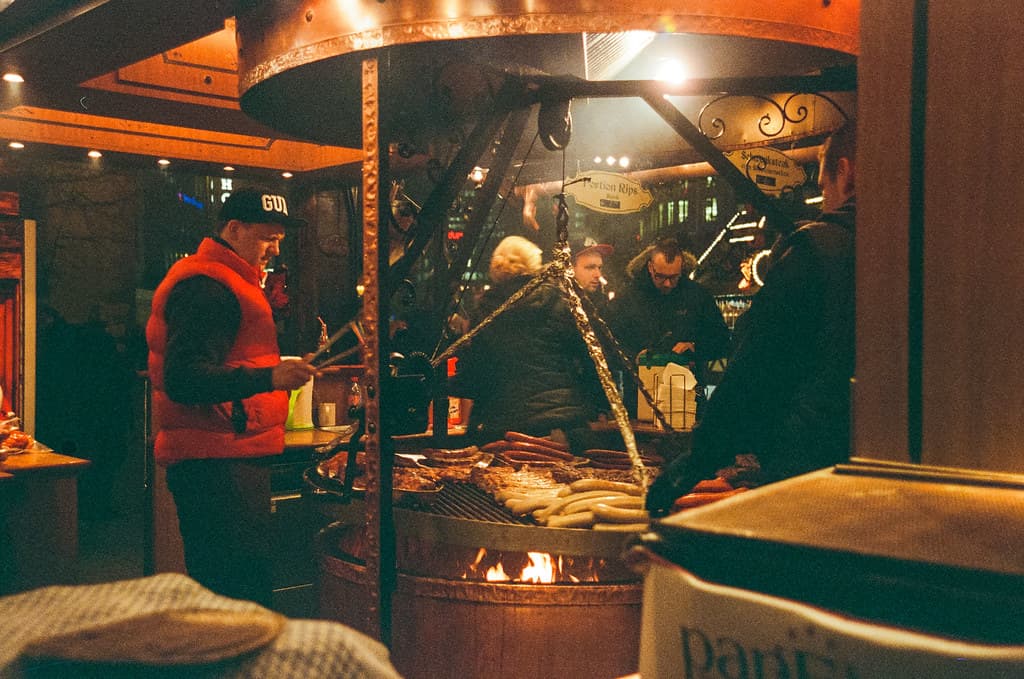
The Last Whole-Hog Pitmasters of Mississippi
Cooking an entire pig over coals for eighteen hours is a dying art. A few stubborn pitmasters are refusing to let it go.

Why Mississippi's Best Fried Chicken Might Be at a Gas Station
An unlikely institution of Southern food, the gas station kitchen serves some of the state's most beloved fried chicken. Locals have known for years.
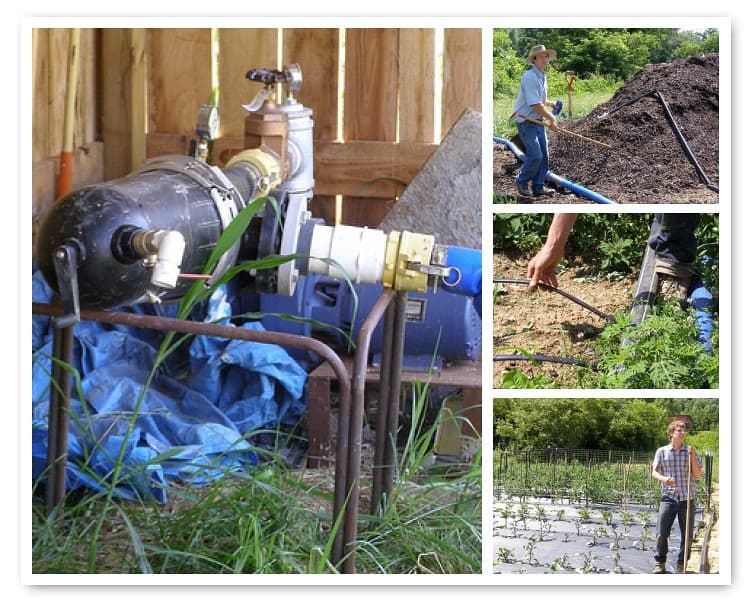
Farm-to-Table Comes Home to a Farming State
In a place defined by agriculture, the local-food movement had to overcome an ironic obstacle: a supply chain built to ship everything away.