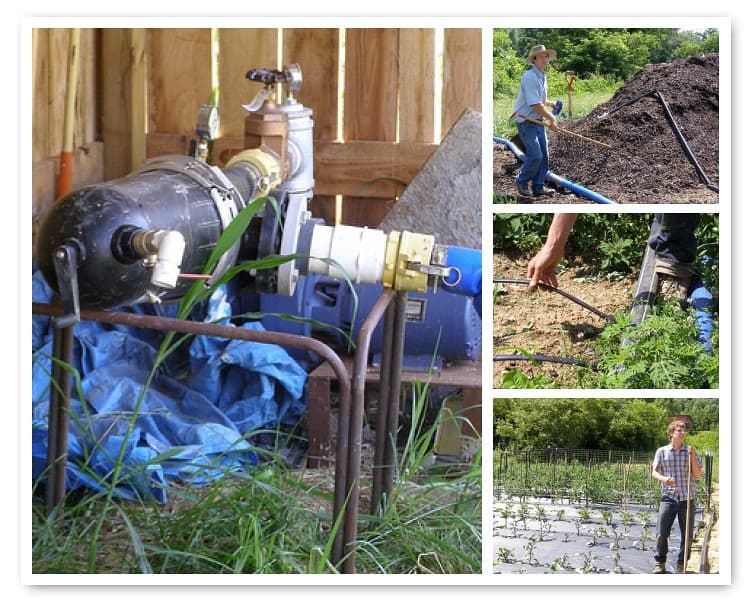
Farm-to-Table Comes Home to a Farming State
In a place defined by agriculture, the local-food movement had to overcome an ironic obstacle: a supply chain built to ship everything away.
There is an irony at the heart of Mississippi's local-food movement. The state is overwhelmingly agricultural, yet for decades its restaurants struggled to source ingredients grown nearby. The farming economy was built to produce commodities at scale and ship them elsewhere, leaving local kitchens to buy back food that had traveled hundreds of miles.
A cohort of chefs and farmers has spent years knitting together the missing connections: direct relationships, small-scale deliveries, and a slowly growing network of growers willing to plant for local tables rather than distant commodity markets.
The work is unglamorous and often frustrating. Small farms are unpredictable, and building a menu around them requires flexibility that runs against the grain of restaurant economics. But the payoff, participants say, is food that tastes of the place it is served in.
The movement remains small relative to the state's vast agricultural output, a rounding error in the commodity economy. Yet its symbolic weight is large. In a state that feeds much of the country, a plate of genuinely local food is a quiet correction, a reminder that the land here can nourish the people on it, not just the markets beyond.
More in Food & Southern Cuisine
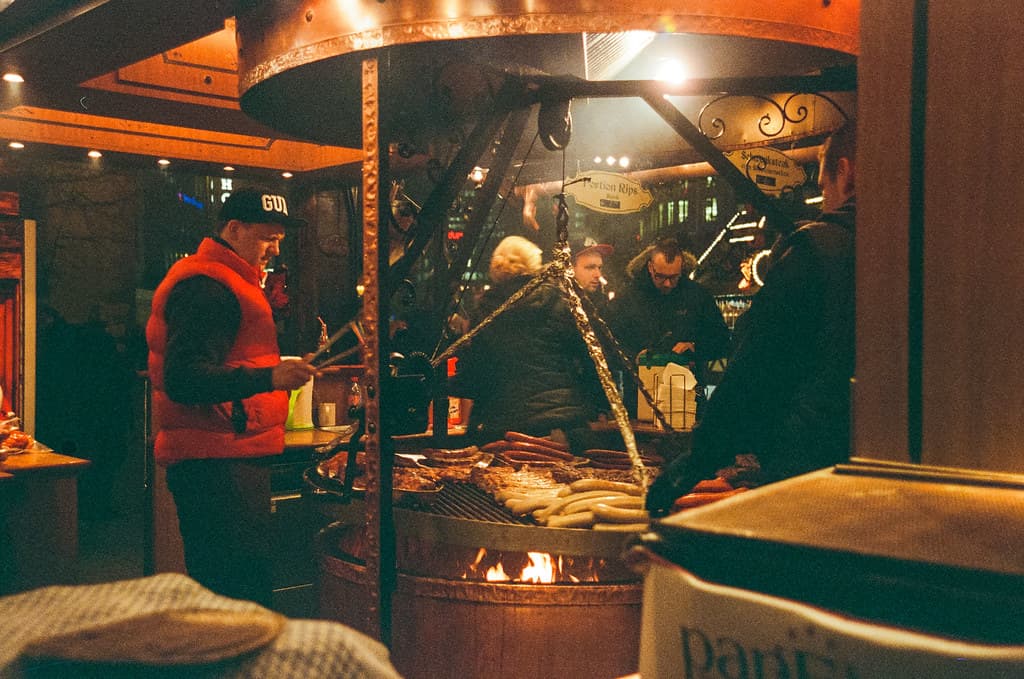
The Last Whole-Hog Pitmasters of Mississippi
Cooking an entire pig over coals for eighteen hours is a dying art. A few stubborn pitmasters are refusing to let it go.

Why Mississippi's Best Fried Chicken Might Be at a Gas Station
An unlikely institution of Southern food, the gas station kitchen serves some of the state's most beloved fried chicken. Locals have known for years.
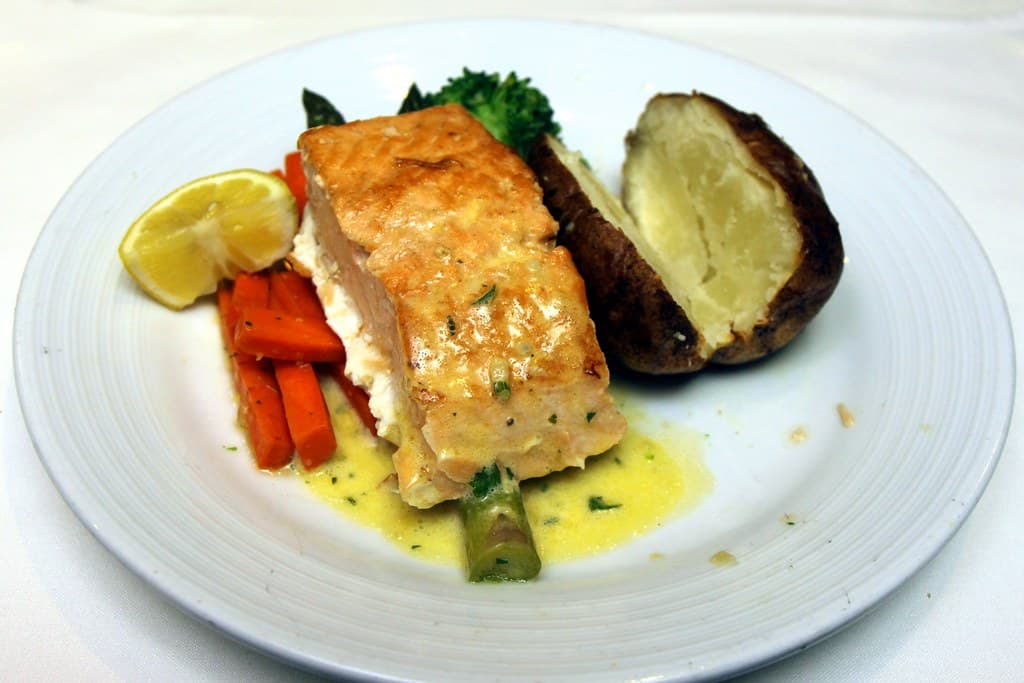
How Chefs Are Rescuing Catfish From the Fry Basket
Farm-raised catfish built an industry and a stereotype. A new wave of Mississippi kitchens is treating the fish as something worth plating carefully.