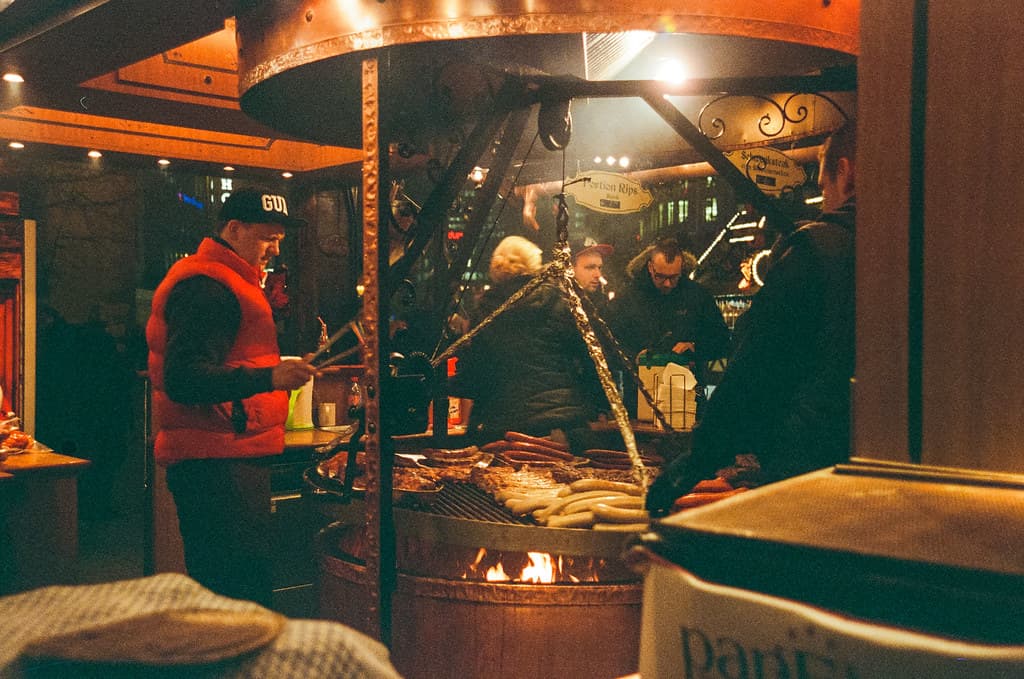
The Last Whole-Hog Pitmasters of Mississippi
Cooking an entire pig over coals for eighteen hours is a dying art. A few stubborn pitmasters are refusing to let it go.
The easy way to make barbecue is with a gas-assisted cooker and a thermostat. The hard way, the old way, is to dig or build a pit, burn hardwood down to coals, and tend a whole hog through the night, adjusting by instinct and experience. In Mississippi, only a handful of pitmasters still do it the hard way.
Whole-hog barbecue is a test of endurance as much as skill. The cook begins in the evening and does not really stop, feeding the fire, managing the heat, and resisting the temptation to rush. By morning, if all has gone right, the meat pulls apart at a touch and tastes of smoke all the way through.
The practitioners are aging, and the economics are brutal. A whole hog cooked overnight is expensive in labor and fuel, and it is hard to compete with faster, cheaper methods. Several of the old pits have gone cold in recent years as their keepers retired or passed on.
Those who remain speak of the craft with a mix of pride and worry. They are training apprentices where they can, but the knowledge is stubbornly hard to transmit. It lives in the hands and the nose, in a thousand small judgments made in the dark, and it cannot be written down.
More in Food & Southern Cuisine

Why Mississippi's Best Fried Chicken Might Be at a Gas Station
An unlikely institution of Southern food, the gas station kitchen serves some of the state's most beloved fried chicken. Locals have known for years.
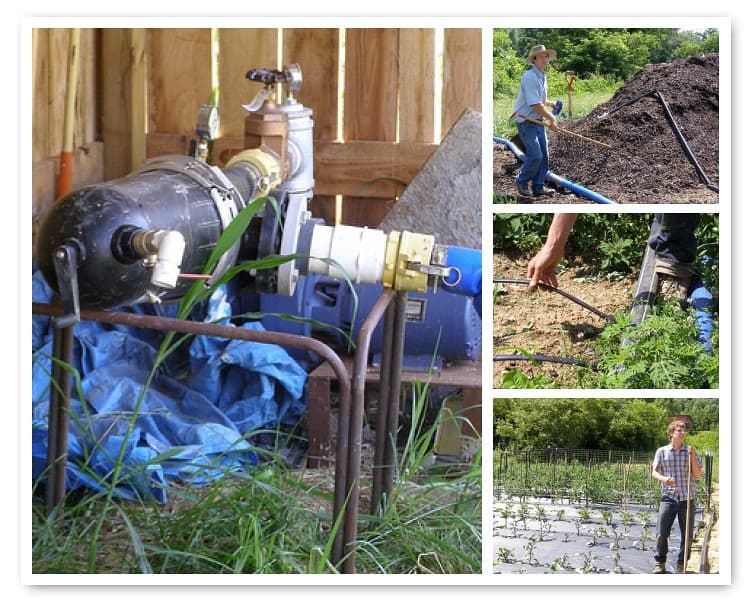
Farm-to-Table Comes Home to a Farming State
In a place defined by agriculture, the local-food movement had to overcome an ironic obstacle: a supply chain built to ship everything away.
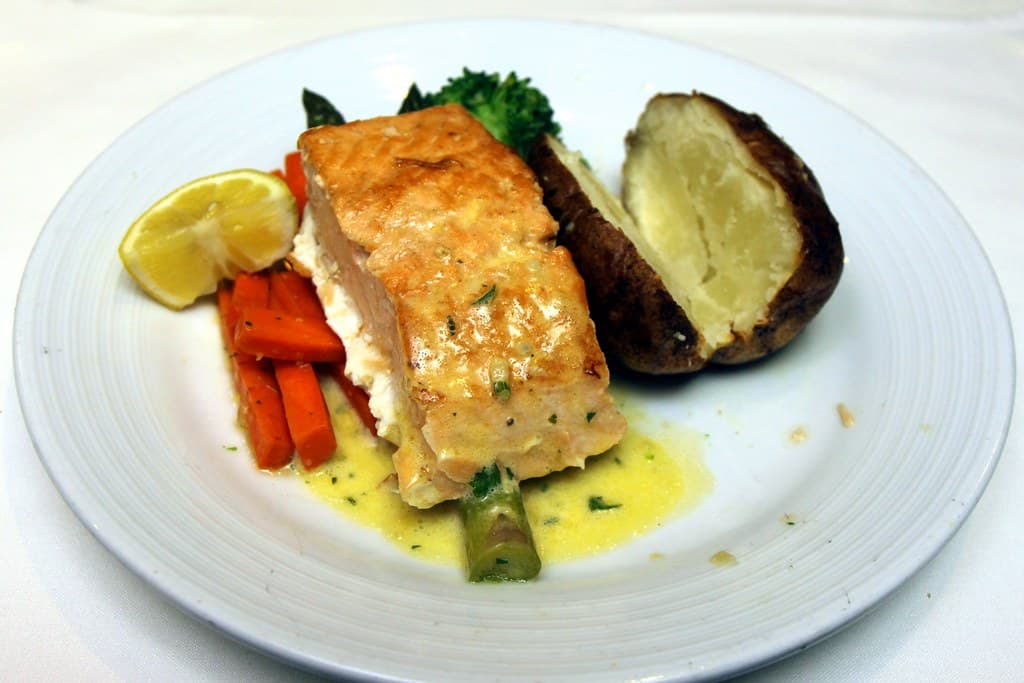
How Chefs Are Rescuing Catfish From the Fry Basket
Farm-raised catfish built an industry and a stereotype. A new wave of Mississippi kitchens is treating the fish as something worth plating carefully.