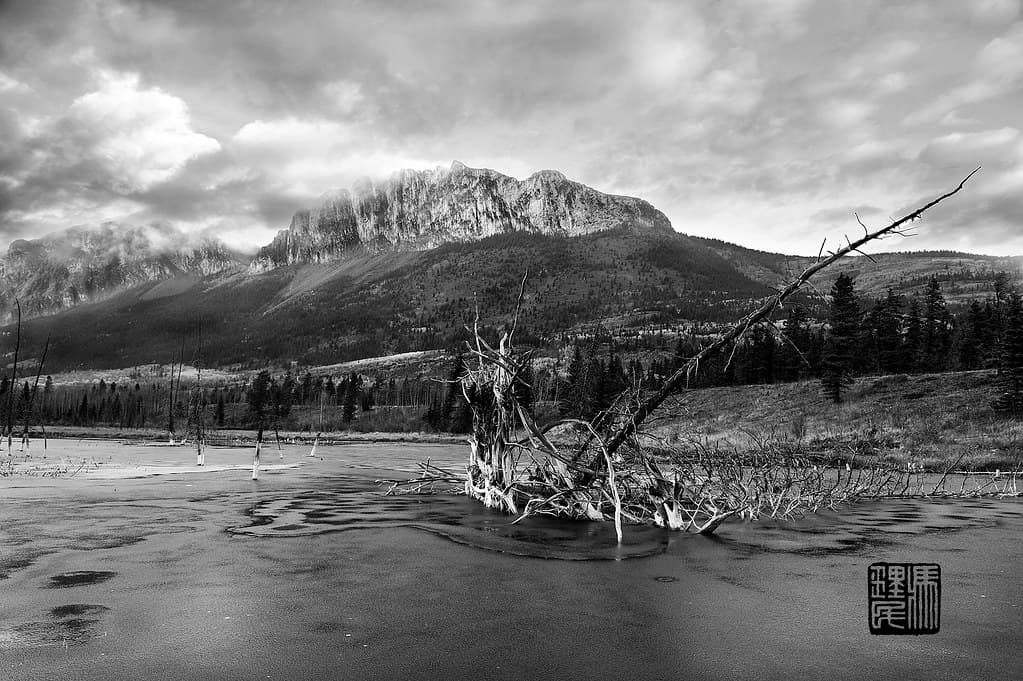
Lights, Camera, Mississippi: Courting the Film Industry
With incentives and distinctive locations, the state is working to attract film and television production and the spending that follows.
Mississippi wants to be in pictures. Through financial incentives and the appeal of its distinctive locations, the state is working to attract film and television production, chasing the jobs and spending that a shoot can bring to the places lucky enough to host it.
The pitch has two parts. Financial incentives, rebates and credits designed to offset production costs, aim to make the state competitive with other locations vying for the same projects. And Mississippi offers something money cannot manufacture: authentic, varied, and often striking settings, from the Delta to the coast to its historic towns.
When a production lands, the benefits are tangible and immediate. Shoots hire local crew, rent local spaces, and spend at local businesses, injecting money into communities and offering a taste of an industry that most of the state has little connection to. A successful production can also raise the state's profile.
The strategy has critics, who question whether the incentives pay for themselves and whether the benefits are lasting or merely fleeting. The competition among states and countries for production is fierce, and incentives can become an expensive race to the bottom. But for Mississippi, the film industry offers an intriguing possibility: to turn the state's own landscapes and character into an economic asset, projected, eventually, onto screens around the world.
More in Business

The Rise of Black-Owned Business in Mississippi
Supported by new networks and capital, Black entrepreneurs are building businesses across the state, though structural barriers remain.
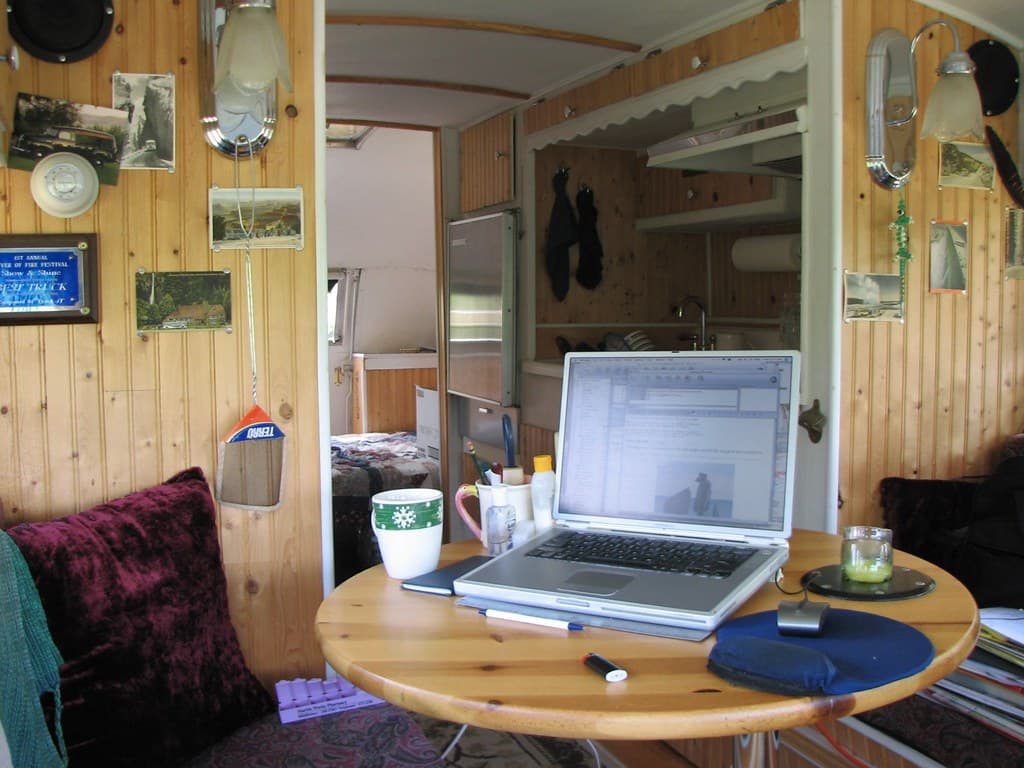
Can Remote Work Repopulate Rural Mississippi?
As remote work loosens the tie between jobs and cities, some Mississippi towns see an opportunity to attract new residents and revenue.
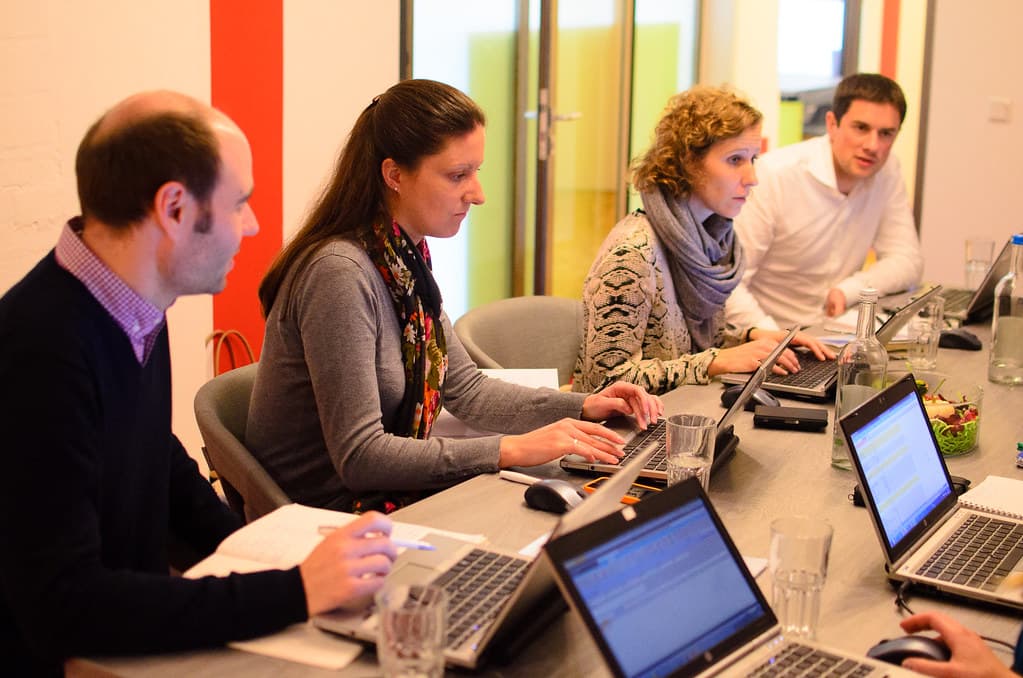
Jackson Tries to Build a Tech Scene From Scratch
With incubators, capital, and a lot of stubborn optimism, the capital is trying to grow a startup ecosystem in a state that has never had one.