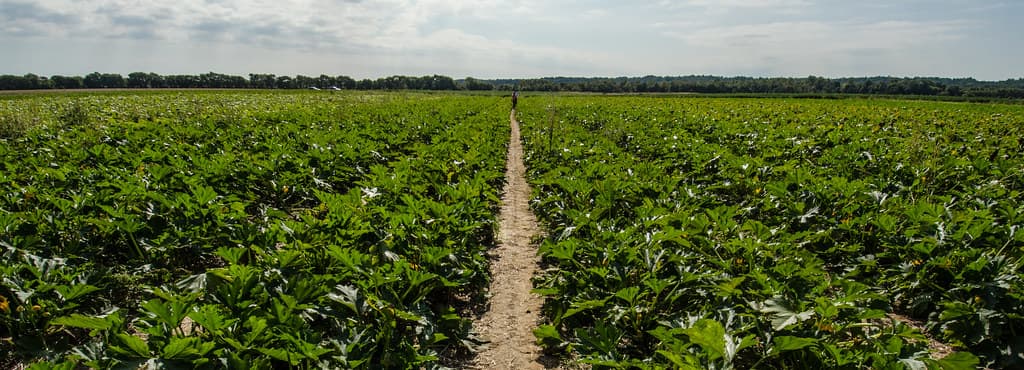
The Labor Question at the Heart of Mississippi Agriculture
From fields to processing plants, the state's agricultural economy depends on a workforce whose future is caught up in national politics.
Behind the machinery and the technology, much of Mississippi agriculture still depends on human hands, in the fields, the packing houses, and the processing plants. The availability and treatment of that workforce is one of the industry's most consequential and contentious issues, and it is entangled with national politics.
Many of the workers who perform the hardest agricultural labor are immigrants, and the industry's reliance on them puts it at the center of debates over immigration policy. Changes in enforcement or law can ripple immediately through farms and plants that struggle to find enough workers as it is.
The work itself is grueling and often poorly paid, raising persistent questions about conditions, wages, and rights. Advocates push for better protections; employers cite the difficulty of finding anyone, on any terms, to do jobs that most native-born workers decline.
The tension has no easy resolution. The state's agricultural economy needs labor it struggles to secure, under a policy framework that shifts with the political winds. The workers, meanwhile, occupy a precarious position, essential to the industry yet vulnerable in it. The labor question sits at the heart of Mississippi agriculture, unresolved and unavoidable, shaping the fate of an industry that cannot function without people willing to do its hardest work.
More in Agriculture & Industry
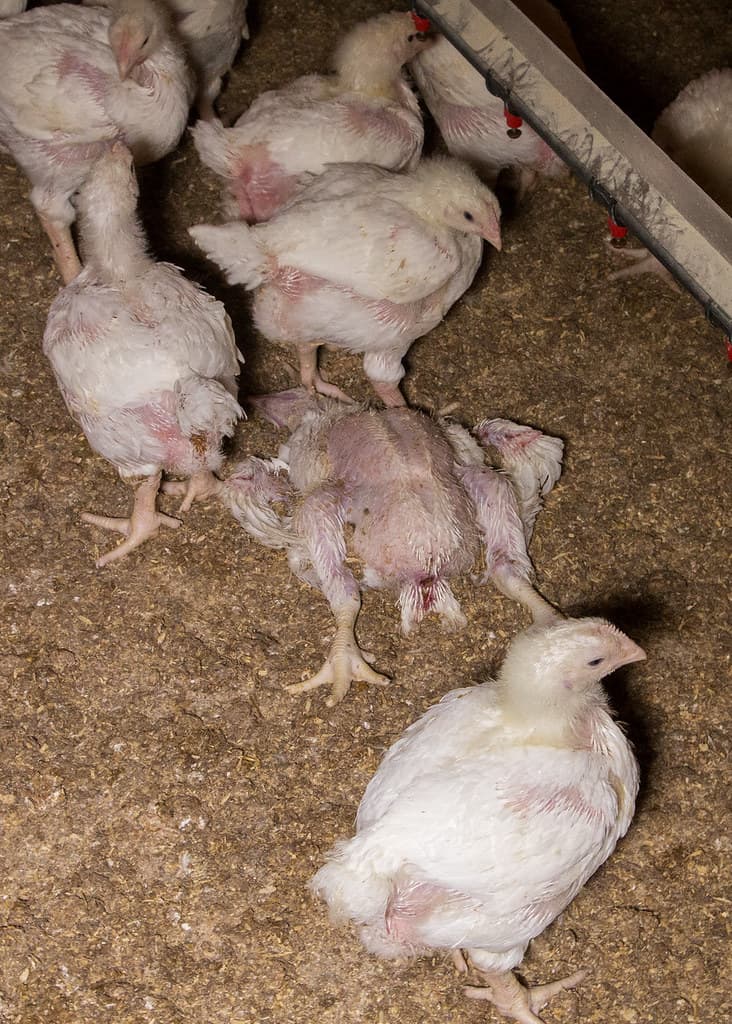
Poultry Is King: Mississippi's Biggest Agricultural Engine
Broiler chickens quietly generate more farm income than any other commodity in the state, sustaining a vast and demanding industry.
The Next Generation Weighs Whether to Farm at All
As the average age of Mississippi farmers climbs, the question of who will work the land grows more urgent.
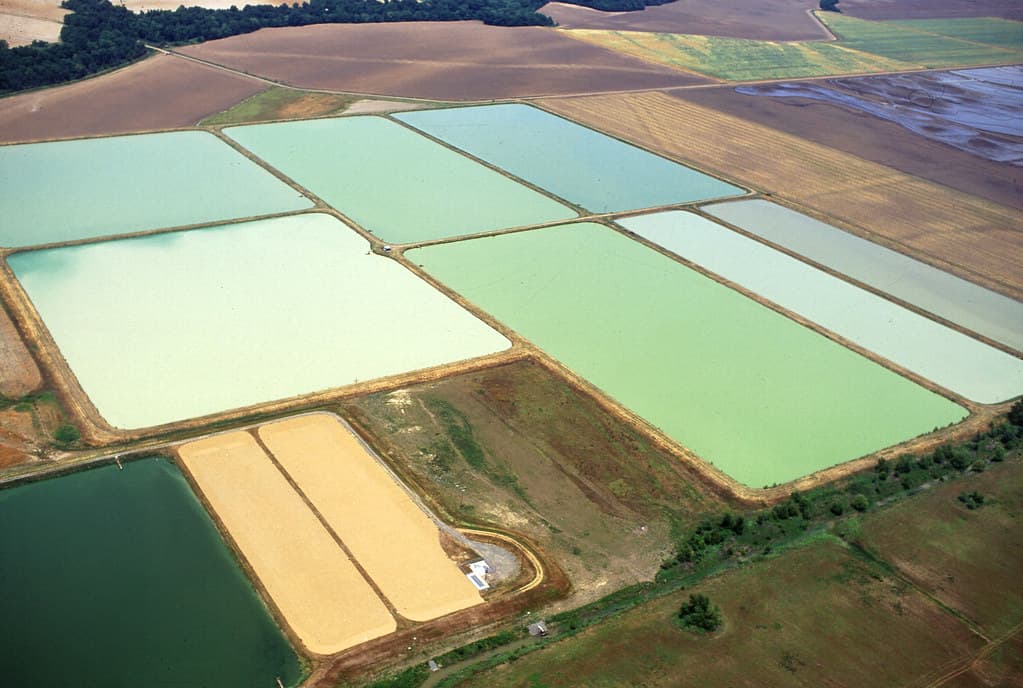
Inside the Fight to Save the American Catfish
Mississippi produces most of the nation's farm-raised catfish. A wave of automation and branding is its answer to years of cheap imports.