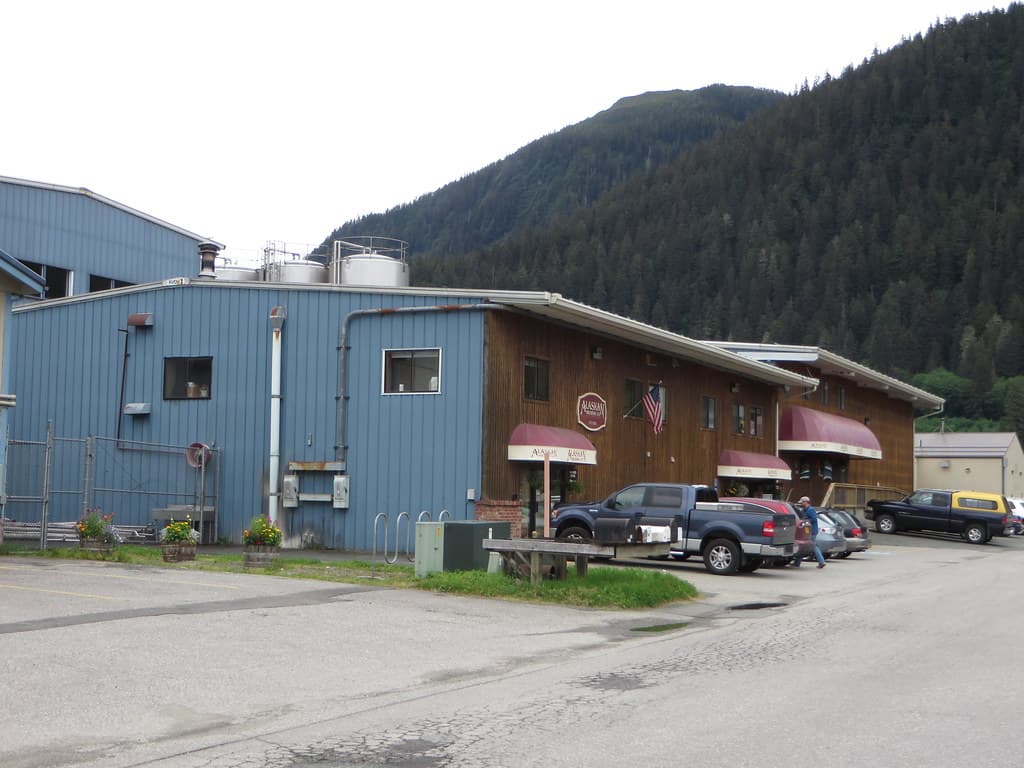
Craft Breweries Pour Into Mississippi's Economy
Once constrained by strict laws, the state's craft brewing industry has grown into a lively business and a draw for local tourism.
Not long ago, Mississippi's laws made craft brewing nearly impossible, among the most restrictive in the nation. Reforms changed that, and in the years since, a lively craft brewing industry has grown up across the state, becoming a genuine business, a source of local pride, and a modest draw for tourism.
The breweries range from small taprooms to more ambitious operations distributing across the region. They have brought a new kind of business to the state's cities and towns, one that combines manufacturing with hospitality, producing beer while also creating gathering places that draw customers and foot traffic.
The industry's growth reflects broader national trends toward craft and local production, but its arrival in Mississippi was hard-won, dependent on the legal reforms that made it viable. Having gained a foothold, brewers have built a community, collaborating, sharing knowledge, and collectively raising the state's profile as a place where good beer is made.
The economics of craft brewing are challenging, with thin margins and stiff competition, and not every brewery will survive. But the industry has established itself as a real if modest contributor to the state's economy and culture. In a state that once made brewing all but illegal, the sight of a thriving local brewery, tanks gleaming and taproom full, marks a notable and flavorful change.
More in Business
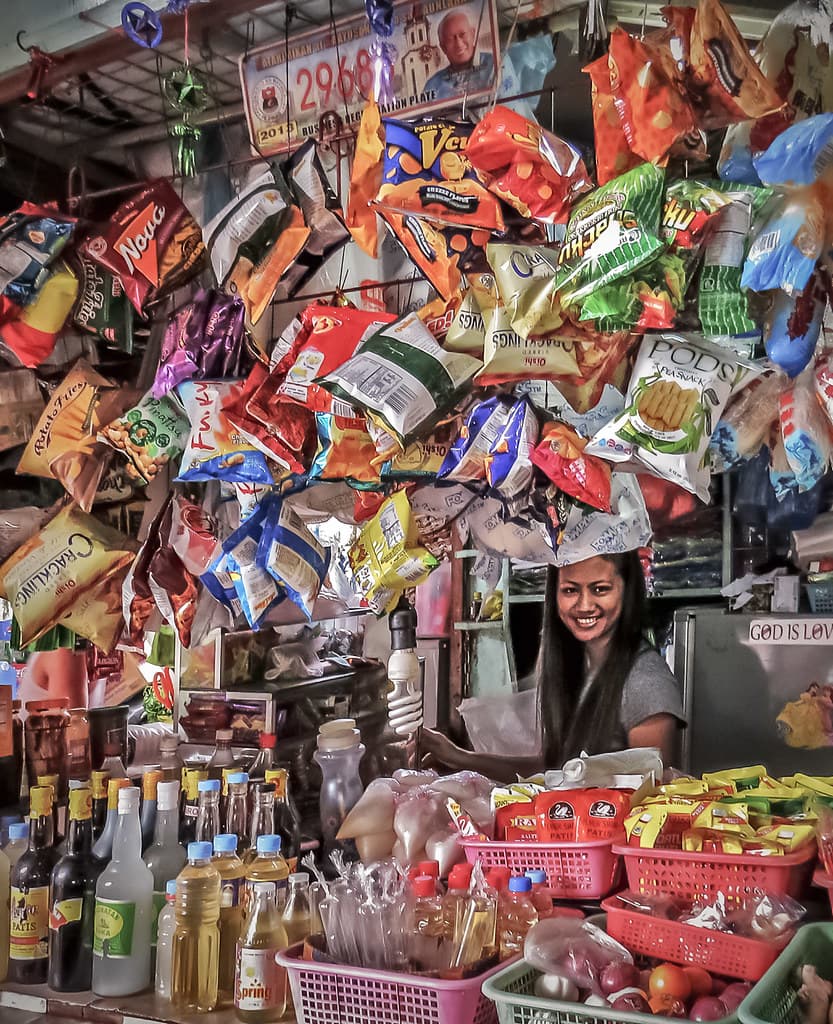
The Rise of Black-Owned Business in Mississippi
Supported by new networks and capital, Black entrepreneurs are building businesses across the state, though structural barriers remain.
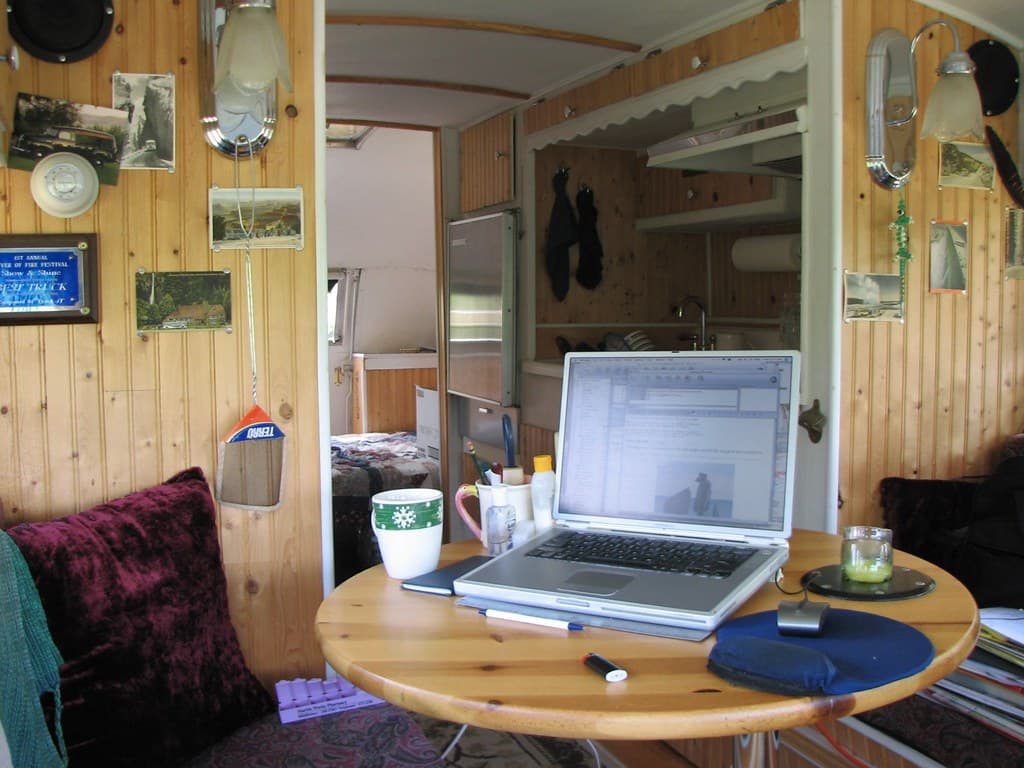
Can Remote Work Repopulate Rural Mississippi?
As remote work loosens the tie between jobs and cities, some Mississippi towns see an opportunity to attract new residents and revenue.
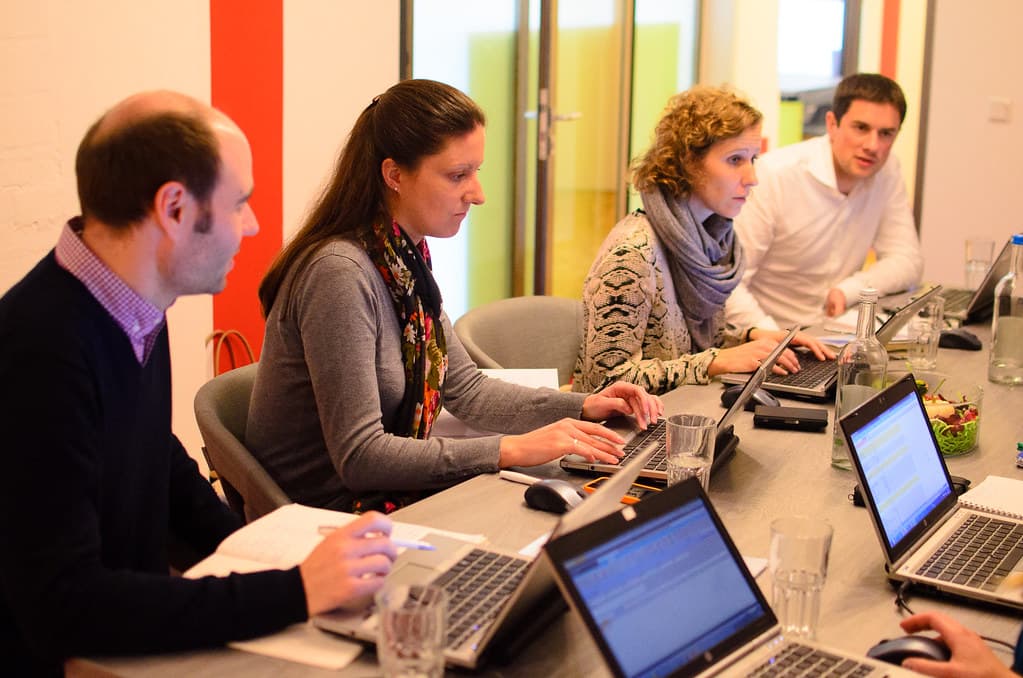
Jackson Tries to Build a Tech Scene From Scratch
With incubators, capital, and a lot of stubborn optimism, the capital is trying to grow a startup ecosystem in a state that has never had one.