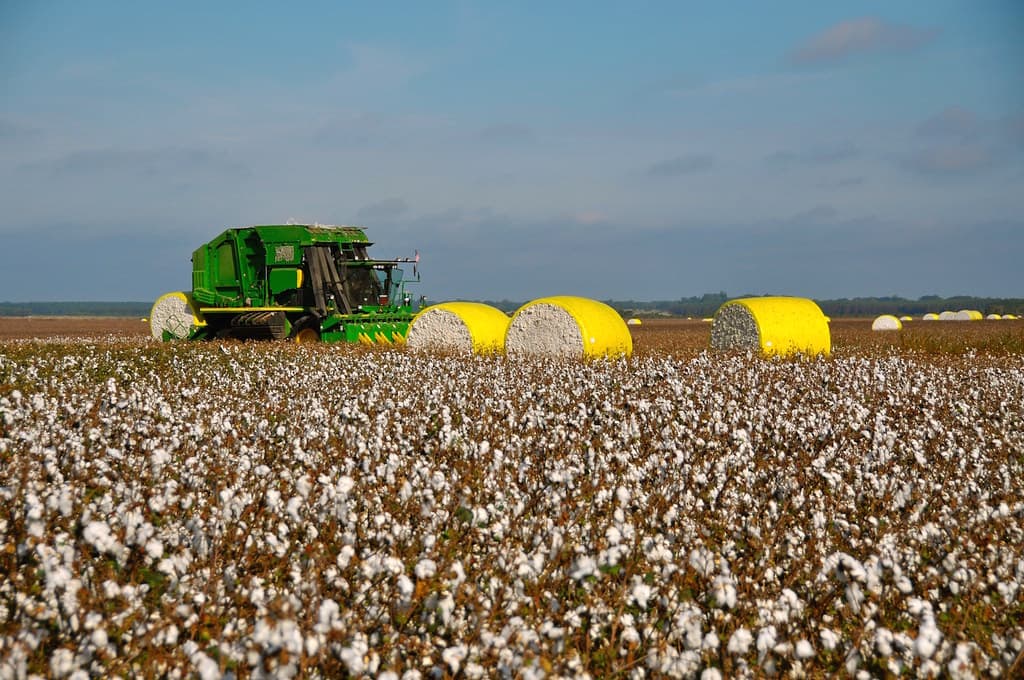
Cotton Farming Enters the Age of the Algorithm
GPS-guided tractors and field sensors are transforming the crop most associated with Mississippi's history into a showcase for high-tech agriculture.
No crop is more bound up with Mississippi's history than cotton, and none carries a heavier past. Today, that historically loaded crop has become an unlikely showcase for some of the most advanced technology in American agriculture, as precision farming transforms how it is grown.
Modern cotton operations bristle with technology. GPS guides tractors to within inches, sensors monitor soil moisture and nutrients, and data from satellites and drones informs decisions about planting, irrigation, and harvest. The aim is to apply exactly the right inputs in exactly the right places, cutting waste and boosting yield.
The transformation has changed the skills farming demands. The successful cotton grower today is as much a data manager as a cultivator, interpreting streams of information to make decisions that were once matters of instinct and experience.
The technology is expensive, and its benefits accrue unevenly, favoring larger operations that can afford the investment. That dynamic raises hard questions about consolidation and the future of smaller farms. But for the crop at the center of the state's story, the shift is undeniable. Cotton, so tied to Mississippi's past, is now being grown by machines guided from space.
More in Agriculture & Industry
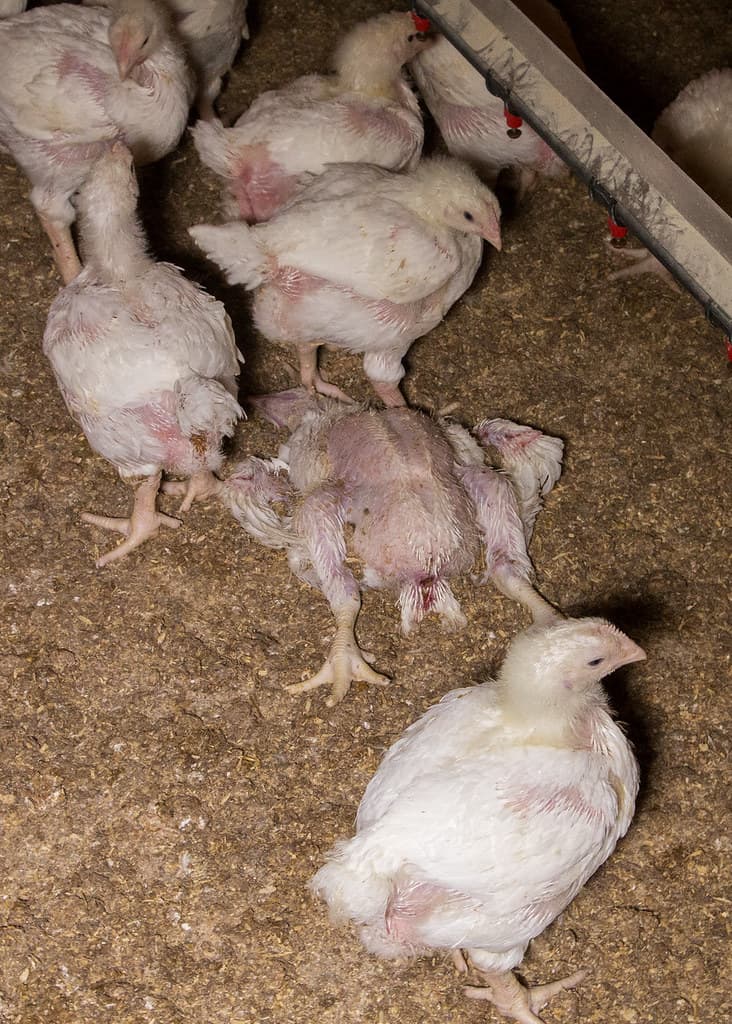
Poultry Is King: Mississippi's Biggest Agricultural Engine
Broiler chickens quietly generate more farm income than any other commodity in the state, sustaining a vast and demanding industry.

The Next Generation Weighs Whether to Farm at All
As the average age of Mississippi farmers climbs, the question of who will work the land grows more urgent.
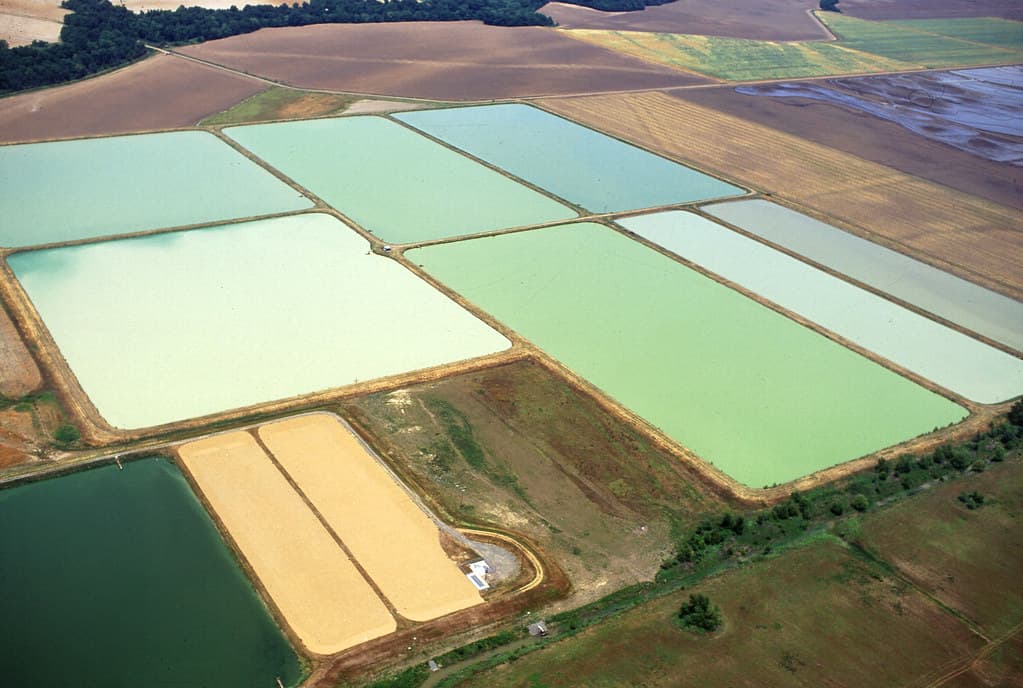
Inside the Fight to Save the American Catfish
Mississippi produces most of the nation's farm-raised catfish. A wave of automation and branding is its answer to years of cheap imports.