
Why Community Banks Still Matter in Mississippi
In a state with many small towns and small businesses, locally rooted banks play an outsized role in the economy.
In an era of banking giants, the community bank might seem like a relic. In Mississippi, it remains vital. In a state defined by small towns and small businesses, locally rooted banks play an outsized role, providing the credit and relationships that keep local economies functioning.
The community bank's advantage is knowledge. Its bankers know the local market, the local businesses, and often the borrowers themselves. That familiarity allows them to make loans that a distant institution, relying on formulas and credit scores, might decline, extending credit to the small enterprises that anchor local economies.
That role is especially important in rural areas and smaller communities, which the largest banks have often abandoned as unprofitable. Where a big bank sees a thin market, a community bank sees its neighbors, and its business depends on serving them well.
The community banking model faces pressures, from regulatory burdens that weigh heavily on small institutions to competition from larger banks and financial technology firms. Consolidation has thinned their ranks. But their persistence reflects a genuine economic function that larger institutions struggle to replicate. In Mississippi, the health of community banks and the health of local economies are closely linked, a relationship built, still, on the old-fashioned foundation of knowing your customer.
More in Business

The Rise of Black-Owned Business in Mississippi
Supported by new networks and capital, Black entrepreneurs are building businesses across the state, though structural barriers remain.
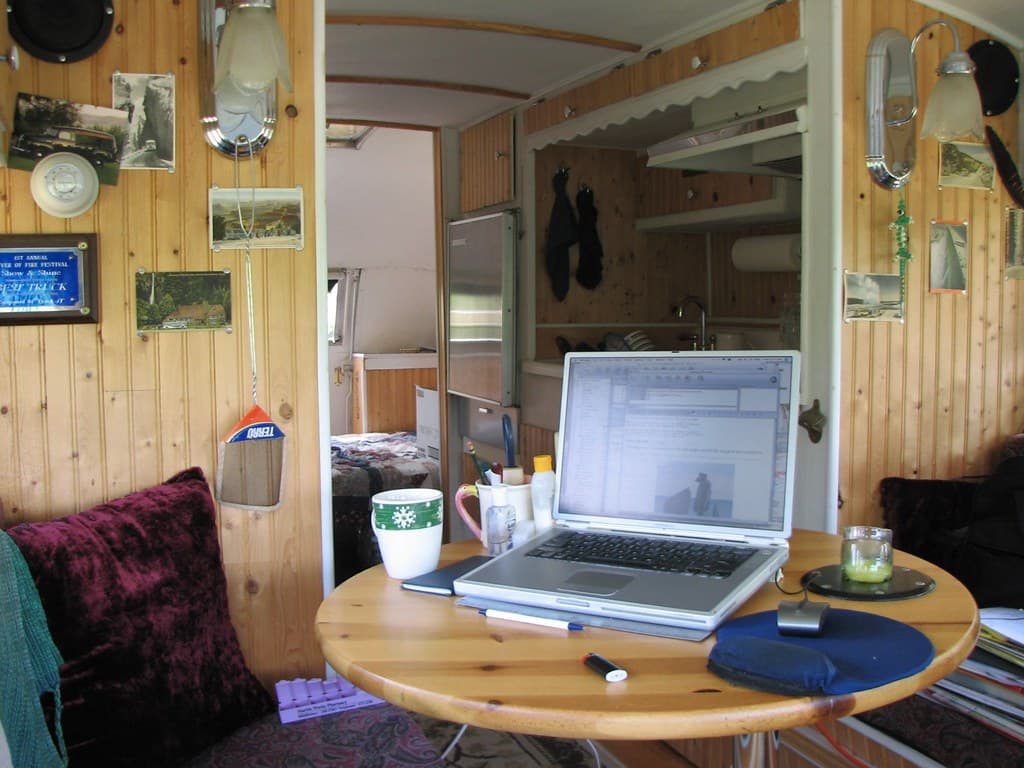
Can Remote Work Repopulate Rural Mississippi?
As remote work loosens the tie between jobs and cities, some Mississippi towns see an opportunity to attract new residents and revenue.
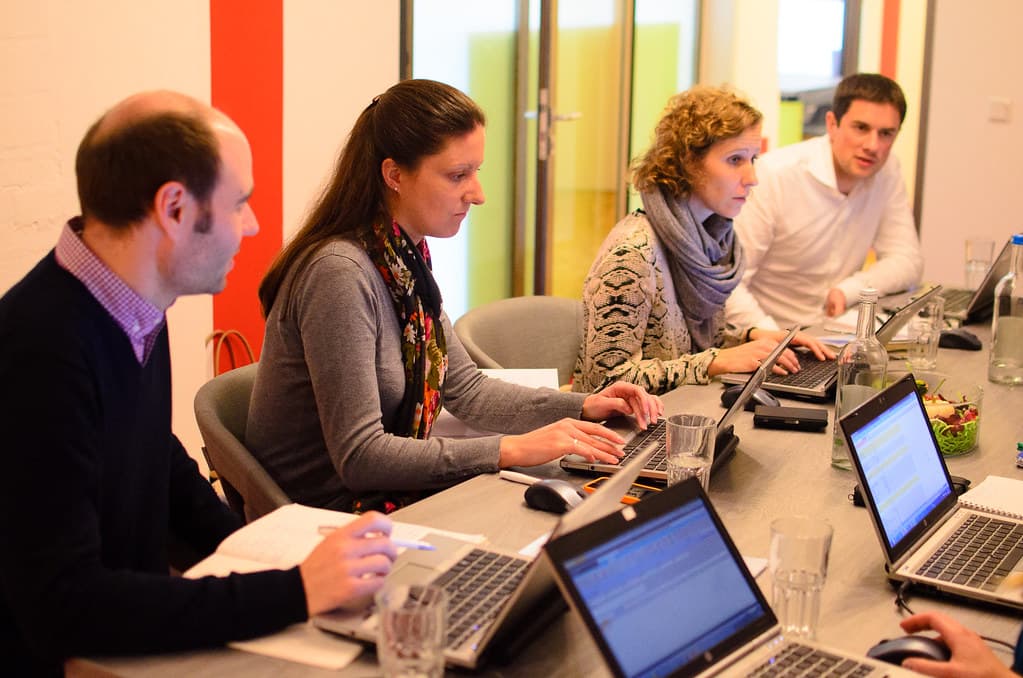
Jackson Tries to Build a Tech Scene From Scratch
With incubators, capital, and a lot of stubborn optimism, the capital is trying to grow a startup ecosystem in a state that has never had one.