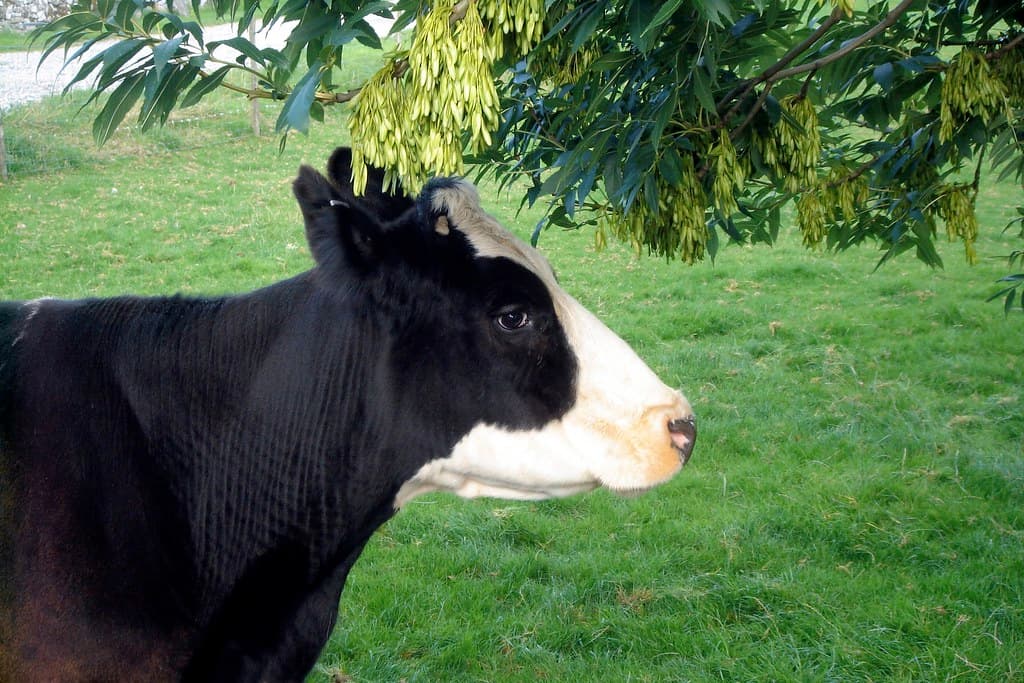
Small Cattle Ranchers Find a Niche in Grass-Fed Beef
Unable to compete on scale, some Mississippi cattle producers are turning to grass-fed and direct-to-consumer models to survive.
Mississippi's cattle producers are mostly small operations, unable to compete on scale with the vast feedlots of the Great Plains. Rather than try, a number of them are carving out a different path, turning to grass-fed beef and direct-to-consumer sales to build a viable niche.
The strategy inverts the logic of commodity cattle production. Instead of chasing the lowest cost per pound, these ranchers emphasize quality, provenance, and a story: cattle raised on pasture, finished on grass, and sold directly to customers who value all three. The premium prices can make small herds profitable.
The model demands different skills. Selling directly means marketing, building relationships with customers, and often handling the logistics of processing and delivery, tasks far removed from simply raising animals. It is more work, but it captures more of the value.
The niche remains small and its economics can be precarious, dependent on customers willing to pay more for beef with a known origin. But it offers small ranchers something the commodity market does not: a way to survive, and even thrive, without competing on a scale they can never match. On Mississippi's pastures, the future for small cattle producers may lie not in growing bigger, but in growing more distinctive.
More in Agriculture & Industry
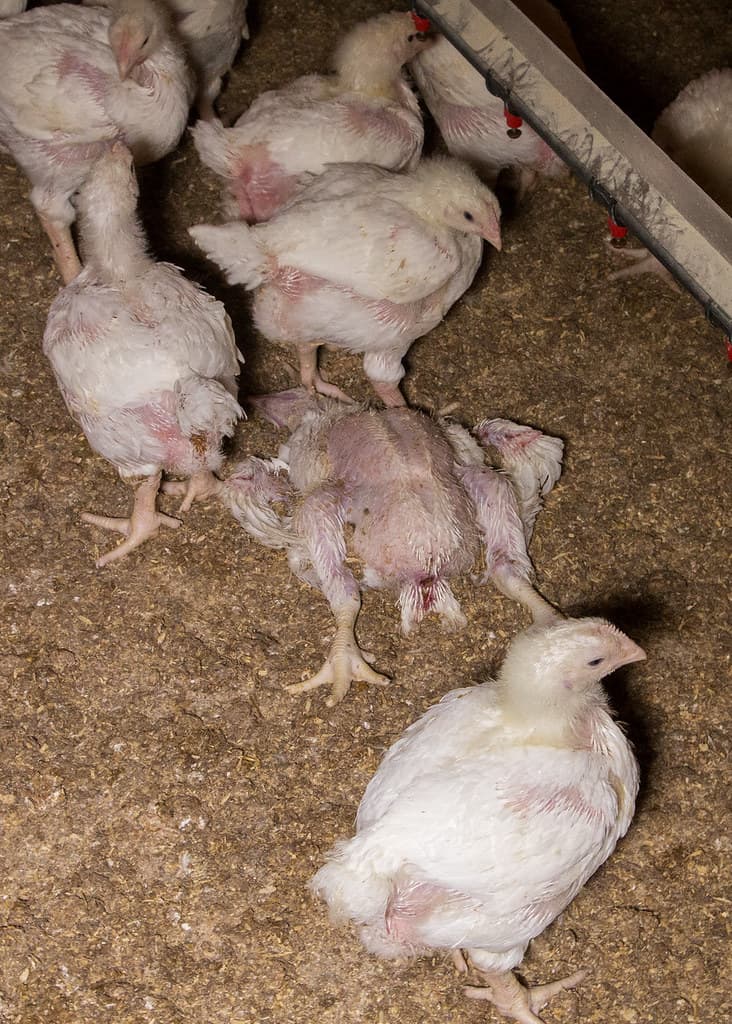
Poultry Is King: Mississippi's Biggest Agricultural Engine
Broiler chickens quietly generate more farm income than any other commodity in the state, sustaining a vast and demanding industry.

The Next Generation Weighs Whether to Farm at All
As the average age of Mississippi farmers climbs, the question of who will work the land grows more urgent.
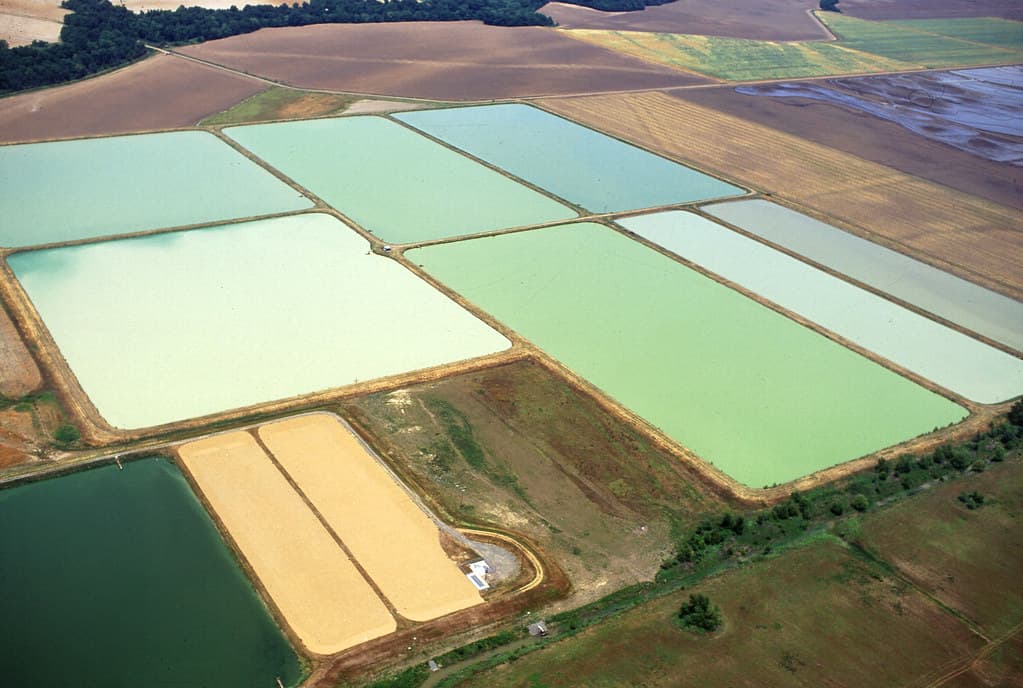
Inside the Fight to Save the American Catfish
Mississippi produces most of the nation's farm-raised catfish. A wave of automation and branding is its answer to years of cheap imports.