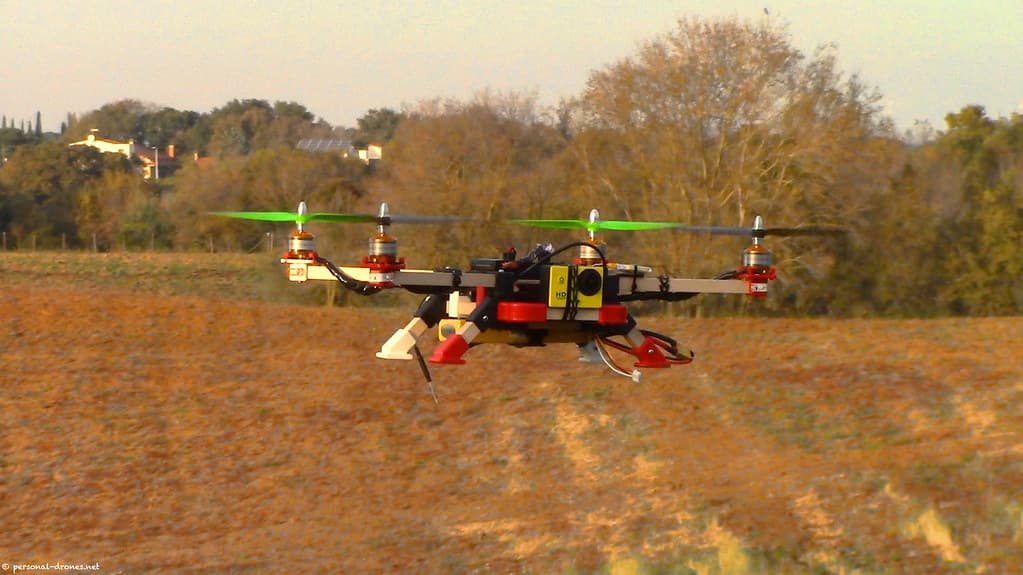
Drones Take to the Skies Over Mississippi Fields
From crop scouting to precision spraying, agricultural drones are becoming standard equipment on the state's larger farms.
The buzz over a Mississippi field these days may come not from insects but from a drone, hovering methodically as it scans the crop below or releases a precise mist of treatment. Agricultural drones have moved rapidly from novelty to standard equipment on many of the state's larger farms.
The machines serve several functions. Equipped with specialized cameras, they scout fields for signs of stress, disease, or pests, spotting problems from the air that would be hard to catch on foot. Larger drones can apply treatments with precision, targeting only the areas that need them.
The appeal is efficiency. Drones can cover ground quickly, gather data that informs better decisions, and reduce the amount of chemicals and labor required. On operations spanning thousands of acres, those gains add up, and the technology has matured to the point of genuine practicality.
Regulation, cost, and the learning curve remain hurdles, and drones are no panacea. But their spread reflects the broader technological transformation of agriculture, in which data and automation increasingly shape how food and fiber are grown. Over Mississippi's fields, the future of farming is, more and more, airborne.
More in Agriculture & Industry
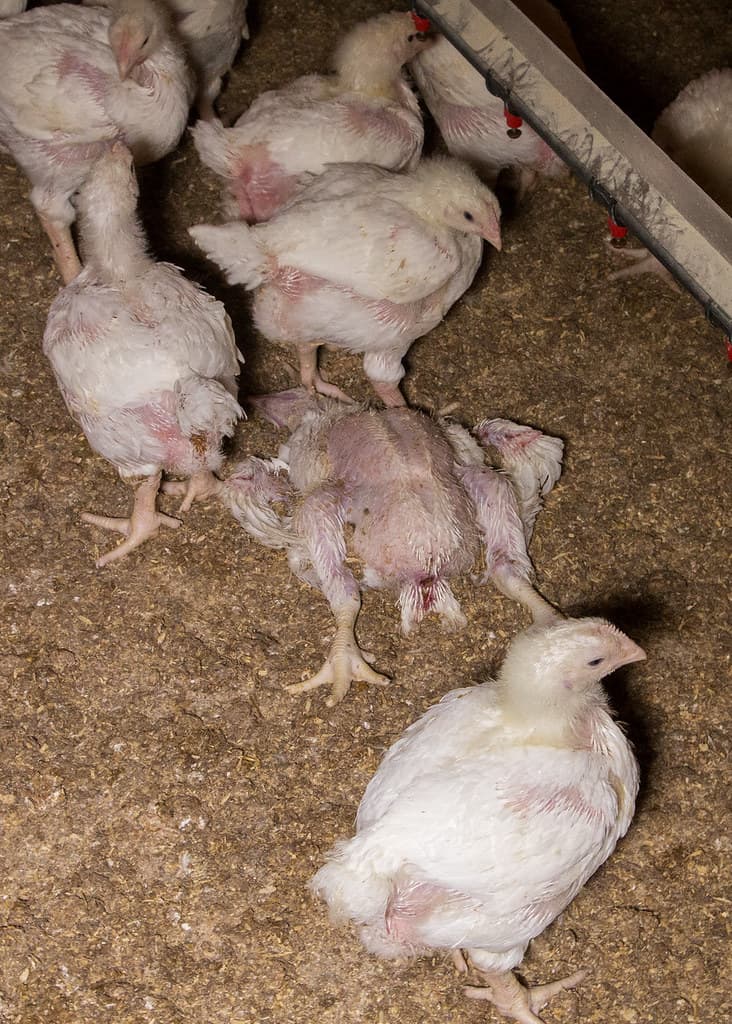
Poultry Is King: Mississippi's Biggest Agricultural Engine
Broiler chickens quietly generate more farm income than any other commodity in the state, sustaining a vast and demanding industry.

The Next Generation Weighs Whether to Farm at All
As the average age of Mississippi farmers climbs, the question of who will work the land grows more urgent.

Inside the Fight to Save the American Catfish
Mississippi produces most of the nation's farm-raised catfish. A wave of automation and branding is its answer to years of cheap imports.