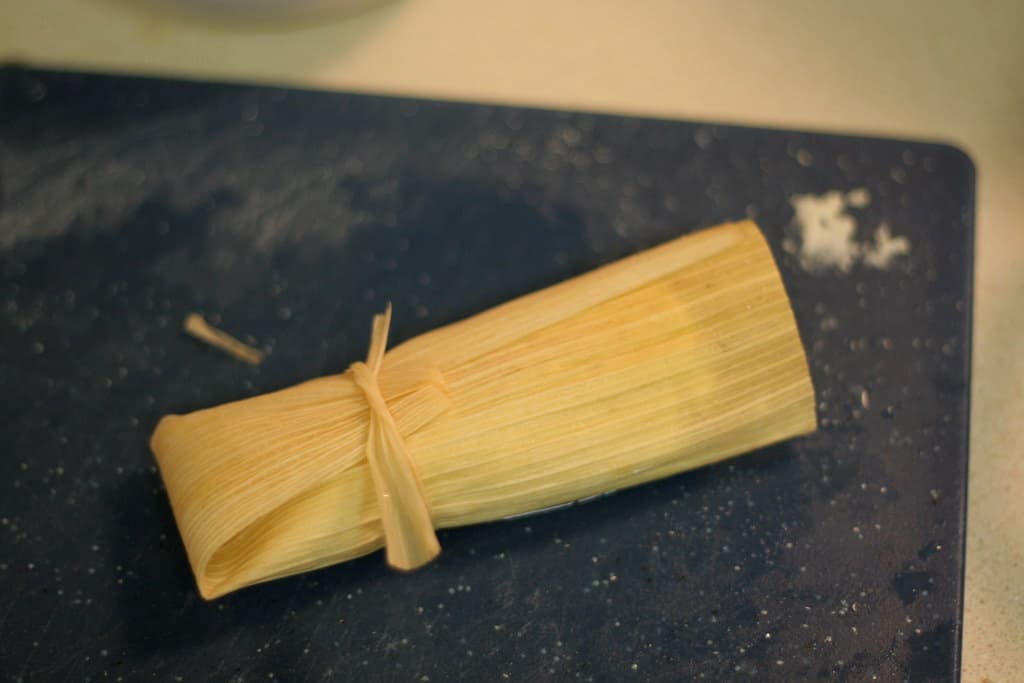
The Delta Hot Tamale, Explained at Last
Neither quite Mexican nor quite Southern, the Delta tamale is one of American food's great puzzles. A wave of family stands is keeping it alive.
Visitors are always confused. Why does the Mississippi Delta, hundreds of miles from any border, have a deep and fiercely defended tamale tradition? The answer is a tangle of migration, labor history, and improvisation that food historians are still working out, and that Delta cooks mostly do not bother to explain. They just make them.
The Delta hot tamale differs from its Mexican cousin in ways that matter to locals: simmered rather than steamed, spicier, often made with cornmeal instead of masa, and served by the half-dozen in a paper sleeve soaked through with red grease. Every family stand guards its own recipe.
The tradition likely emerged from the mixing of Black and Mexican laborers in the cotton fields generations ago, a culinary handshake that took root and never let go. Today the tamale is claimed, without irony, as thoroughly local.
A number of longtime stands have changed hands recently, passing to younger family members determined to keep them running. The margins are slim and the work is hot and endless. But the tamale endures, a delicious argument against the idea that Southern food is any one thing.
More in Food & Southern Cuisine
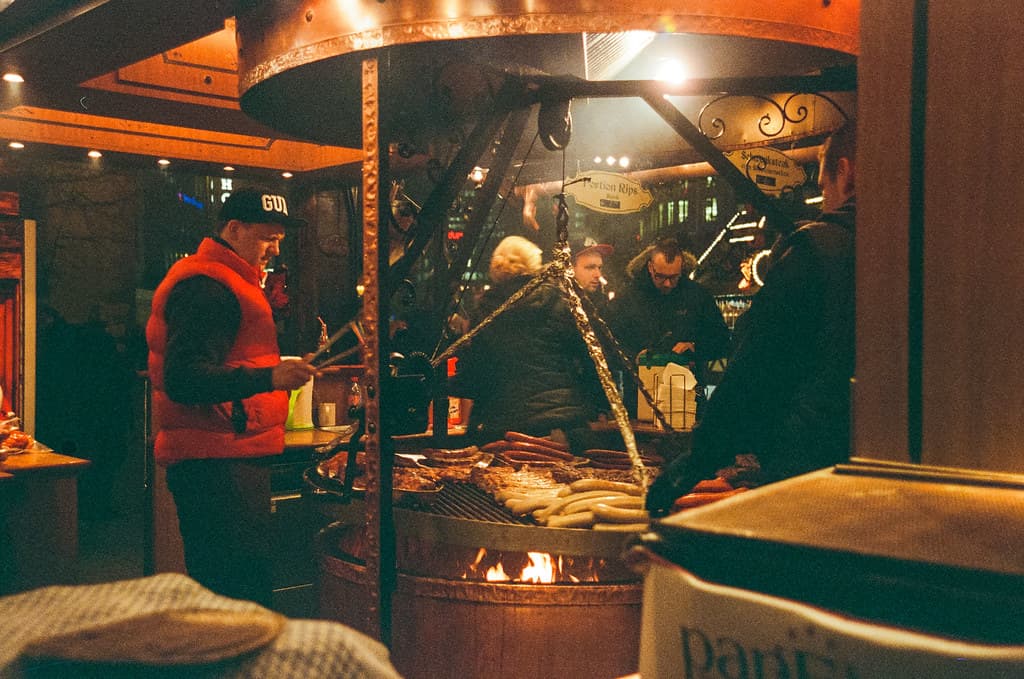
The Last Whole-Hog Pitmasters of Mississippi
Cooking an entire pig over coals for eighteen hours is a dying art. A few stubborn pitmasters are refusing to let it go.
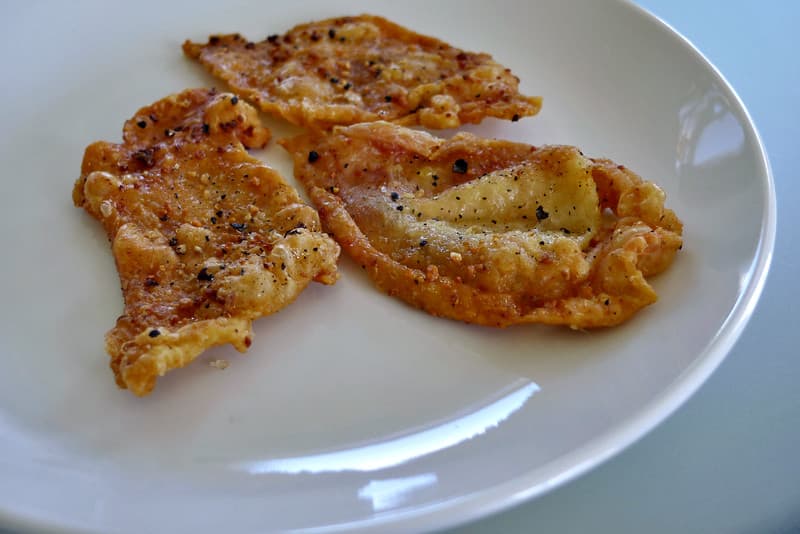
Why Mississippi's Best Fried Chicken Might Be at a Gas Station
An unlikely institution of Southern food, the gas station kitchen serves some of the state's most beloved fried chicken. Locals have known for years.

Farm-to-Table Comes Home to a Farming State
In a place defined by agriculture, the local-food movement had to overcome an ironic obstacle: a supply chain built to ship everything away.