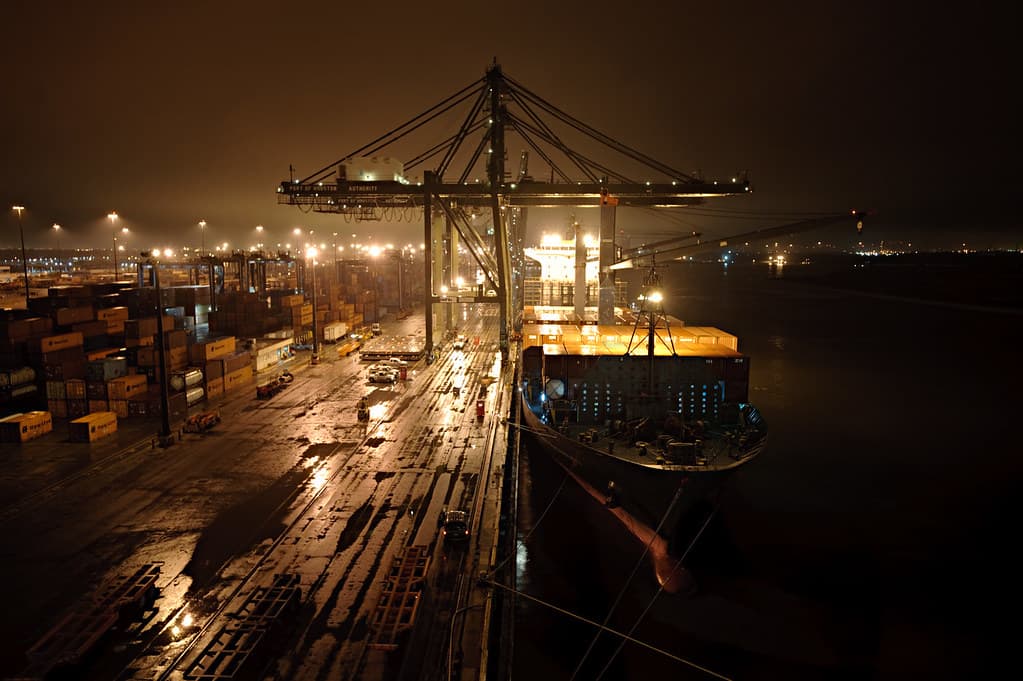
Gulfport Bets Big on Becoming a Trade Gateway
A major port expansion aims to transform the coastal city into a more significant node in global shipping. The wager is enormous.
The Port of Gulfport has long been a working harbor, but its ambitions have grown. A major expansion effort aims to transform the coastal city into a more significant gateway for global trade, betting that investment in capacity and infrastructure will pay off in commerce and jobs.
The stakes are substantial. Ports are engines of regional economies, generating employment directly and drawing the logistics, warehousing, and manufacturing activity that clusters around them. A larger, busier port could reshape the economic prospects of the entire coast.
The wager is not without risk. Port expansions are enormously expensive, and success depends on attracting shipping lines and cargo in a fiercely competitive market where other Gulf ports vie for the same business. The infrastructure must be built before the traffic that justifies it arrives.
Boosters point to Gulfport's location, its existing operations, and the broader growth of trade as reasons for confidence. Skeptics question whether the projected volumes will materialize and whether the investment will earn its return. The expansion represents a significant bet on the coast's economic future, one whose payoff will unfold over years. For Gulfport, the hope is clear: to turn a modest harbor into a genuine gateway.
More in Business

The Rise of Black-Owned Business in Mississippi
Supported by new networks and capital, Black entrepreneurs are building businesses across the state, though structural barriers remain.

Can Remote Work Repopulate Rural Mississippi?
As remote work loosens the tie between jobs and cities, some Mississippi towns see an opportunity to attract new residents and revenue.

Jackson Tries to Build a Tech Scene From Scratch
With incubators, capital, and a lot of stubborn optimism, the capital is trying to grow a startup ecosystem in a state that has never had one.