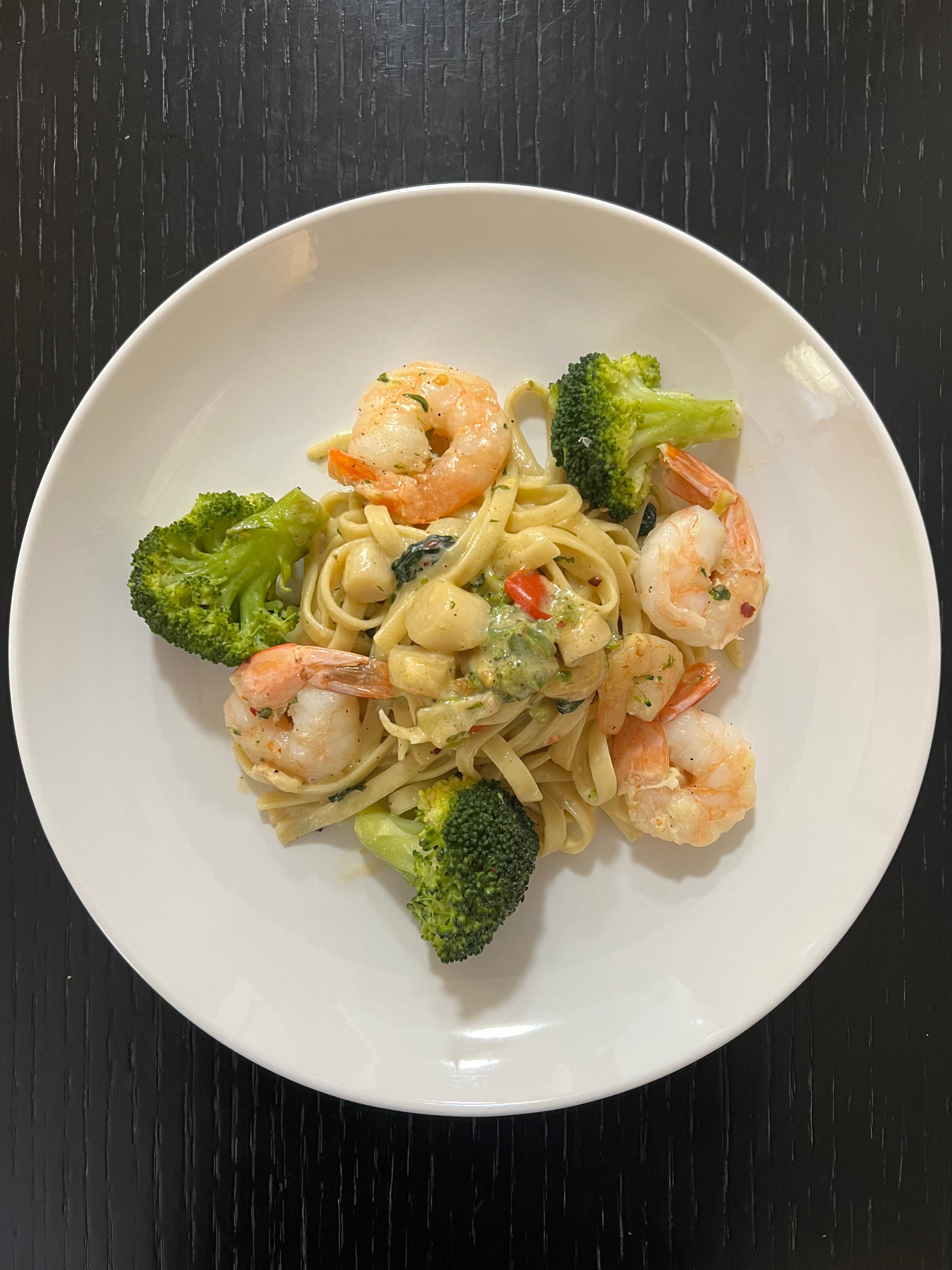
The Chefs Betting Everything on Gulf Shrimp
As cheap imports flood the market, a coalition of coast restaurants is staking its identity on serving only local, wild-caught shrimp.
The shrimp on most American plates comes frozen, farmed, and from the other side of the world. On the Mississippi Gulf Coast, a group of restaurants has decided to stake its reputation on refusing that bargain, serving only wild-caught Gulf shrimp brought in by local boats, even when doing so costs more and complicates everything.
The commitment is not easy to keep. Wild shrimp is seasonal, variable, and far pricier than the imported alternative. Building a menu around it means accepting supply that fluctuates with the weather and the catch, and charging prices that reflect the difference.
The restaurants argue that the trade-off is worth it, for reasons both culinary and civic. The flavor of fresh Gulf shrimp, they say, is simply better. And every plate served supports a shrimping industry that has struggled for years against imports and rising costs.
"When you buy the cheap shrimp, you're voting to end this," one chef said, gesturing toward the harbor. The pitch asks diners to see a menu choice as a small act of loyalty to the coast. Whether enough of them will pay the premium to sustain the model is a question the next few seasons will answer.
More in Food & Southern Cuisine
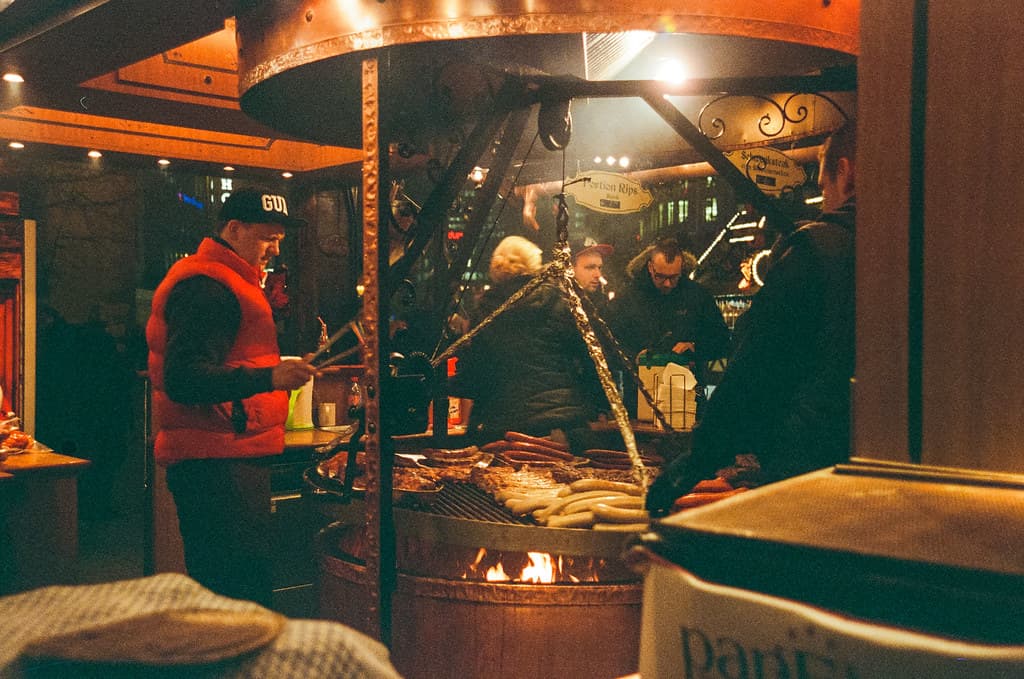
The Last Whole-Hog Pitmasters of Mississippi
Cooking an entire pig over coals for eighteen hours is a dying art. A few stubborn pitmasters are refusing to let it go.
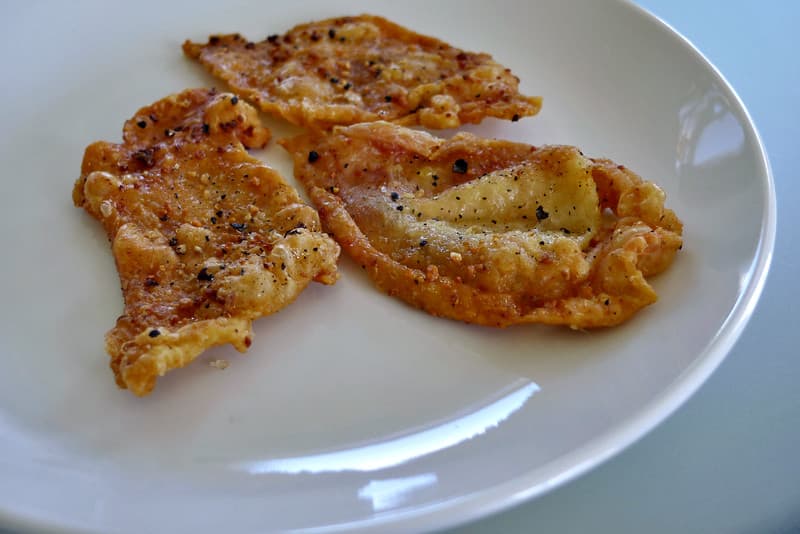
Why Mississippi's Best Fried Chicken Might Be at a Gas Station
An unlikely institution of Southern food, the gas station kitchen serves some of the state's most beloved fried chicken. Locals have known for years.

Farm-to-Table Comes Home to a Farming State
In a place defined by agriculture, the local-food movement had to overcome an ironic obstacle: a supply chain built to ship everything away.