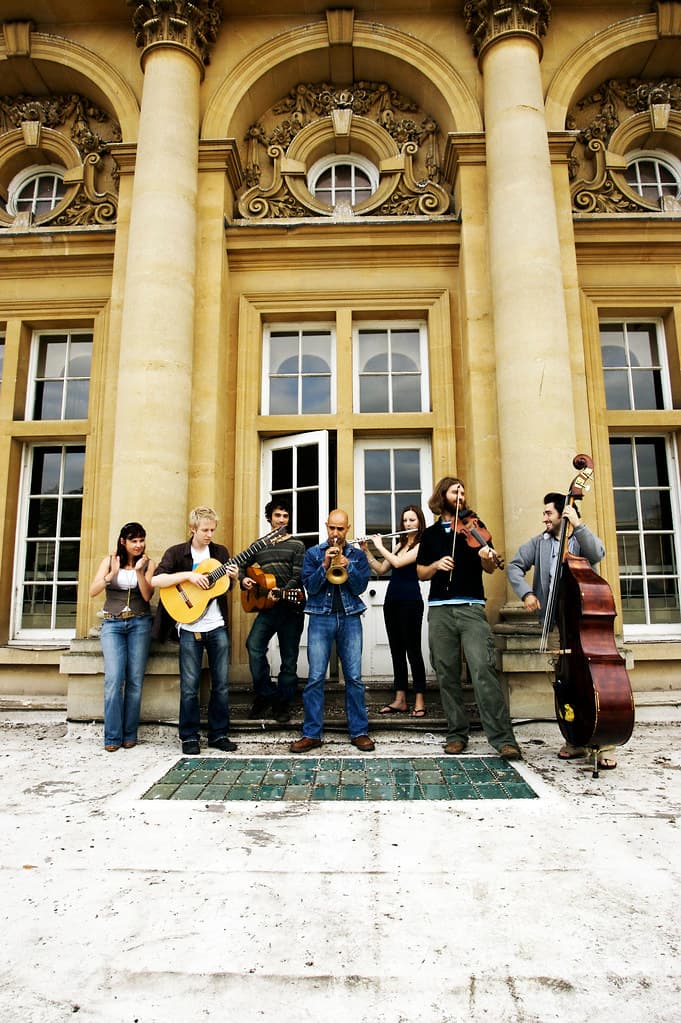
Old-Time String Bands Find a Younger Audience
Fiddle-and-banjo music, long overshadowed by the blues, is drawing new players in the state's small towns and college towns alike.
The blues gets the attention, but Mississippi's musical past is wider than any single genre. Old-time string band music, built on fiddle, banjo, and guitar, once filled dance halls and front porches across the state, drawing on both Black and white traditions. For decades it survived mainly among specialists. Lately it has found a wider audience.
The revival is most visible in college towns, where string band nights have become fixtures at bars and coffeehouses, but it reaches into smaller communities as well. Young players are drawn to the music's communal nature. Unlike a rock band, a string band can absorb anyone who shows up with an instrument and a willingness to keep time.
That openness is central to its appeal. "It's not a performance so much as a conversation," one fiddler said. "You sit in a circle and you listen and you answer." The tunes are old, often centuries old, but the social experience feels novel to players raised on solitary practice.
The scene remains small and its economics negligible, more hobby than industry. But its growth points to a hunger for music made in person, together, without a screen in sight.
More in Music & Culture

Jackson's Hip-Hop Scene Claims Its Own Lineage
A new wave of rappers and producers in the capital is drawing a straight line from the blues to the beats they make today.
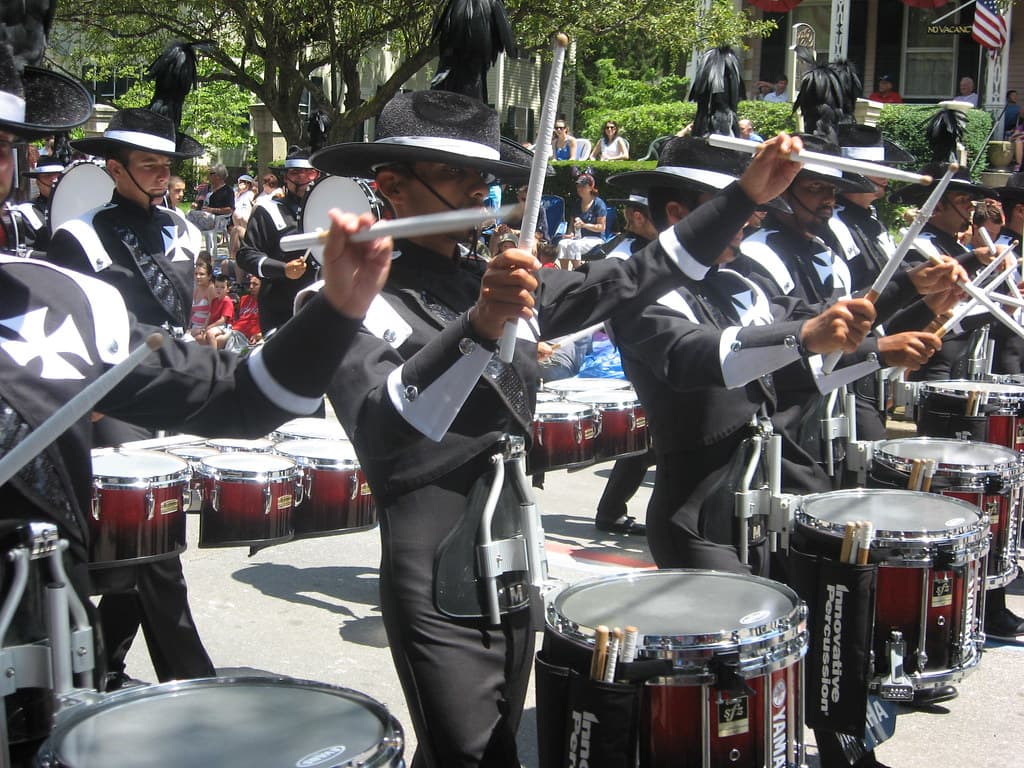
The Hypnotic Survival of Hill Country Fife and Drum
One of the oldest African American musical traditions in the country persists at a handful of summer picnics in the north Mississippi hills.

Greenville's Blues Festival Returns, Leaner and Louder
After years of uncertainty, one of the Delta's signature music festivals is back with a stripped-down format and a renewed focus on local players.