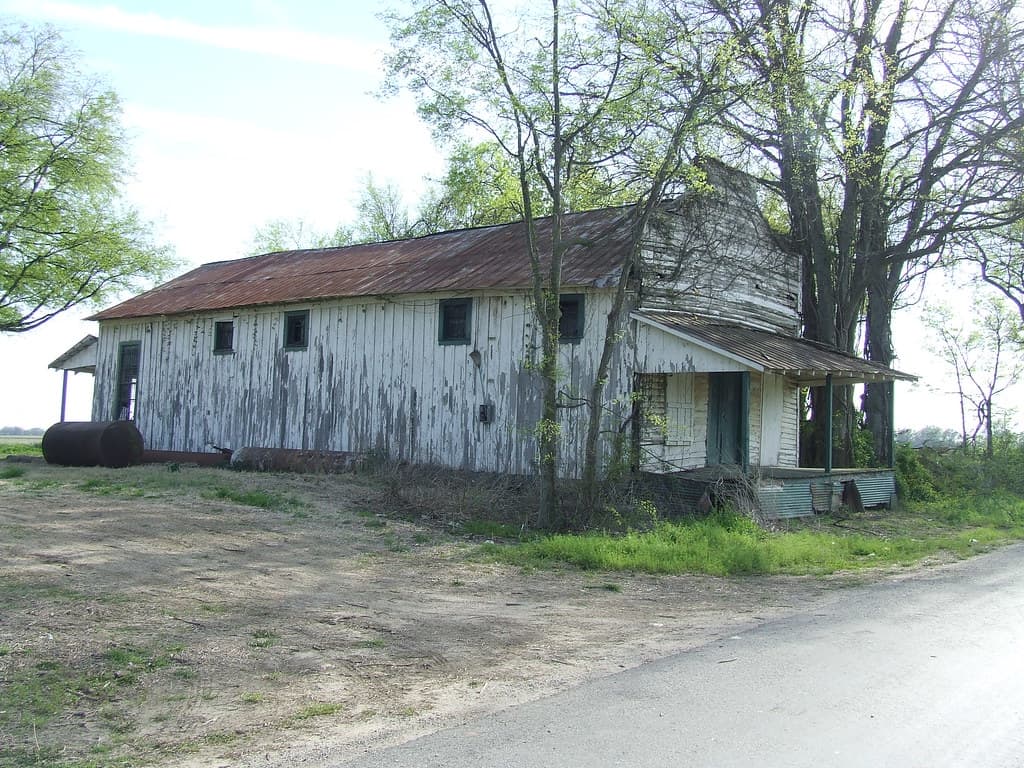
The Quiet Campaign to Save Mississippi's Last Juke Joints
Fewer than a dozen authentic juke joints still operate across the state. A coalition of owners and historians is racing to keep them from becoming parking lots.
There is no official registry of juke joints, which is part of the problem. These were never meant to be monuments. They were places to drink, dance, and forget the week, built cheaply and repaired endlessly, and their history lives in memory rather than paperwork. That informality is now their greatest vulnerability.
A loose coalition of club owners, folklorists, and a few sympathetic county officials has begun documenting the survivors before they vanish. Their tally is sobering: fewer than a dozen rooms across Mississippi still function the way they did generations ago, with live music, a local crowd, and no pretense of catering to tourists.
The threats are mundane. A roof fails. An owner dies and the heirs sell the land. A code inspector arrives with a clipboard and a list of violations that would cost more to fix than the building is worth. Each closure erases a node in a cultural network that once stretched across the whole region.
The coalition's proposal is modest: a small preservation fund, a shared insurance pool, and a program to pair aging owners with younger operators willing to learn the business. None of it is glamorous. But the alternative, its organizers argue, is a Delta where the blues is something you read about on a plaque rather than hear through a wall.
More in Music & Culture

Jackson's Hip-Hop Scene Claims Its Own Lineage
A new wave of rappers and producers in the capital is drawing a straight line from the blues to the beats they make today.
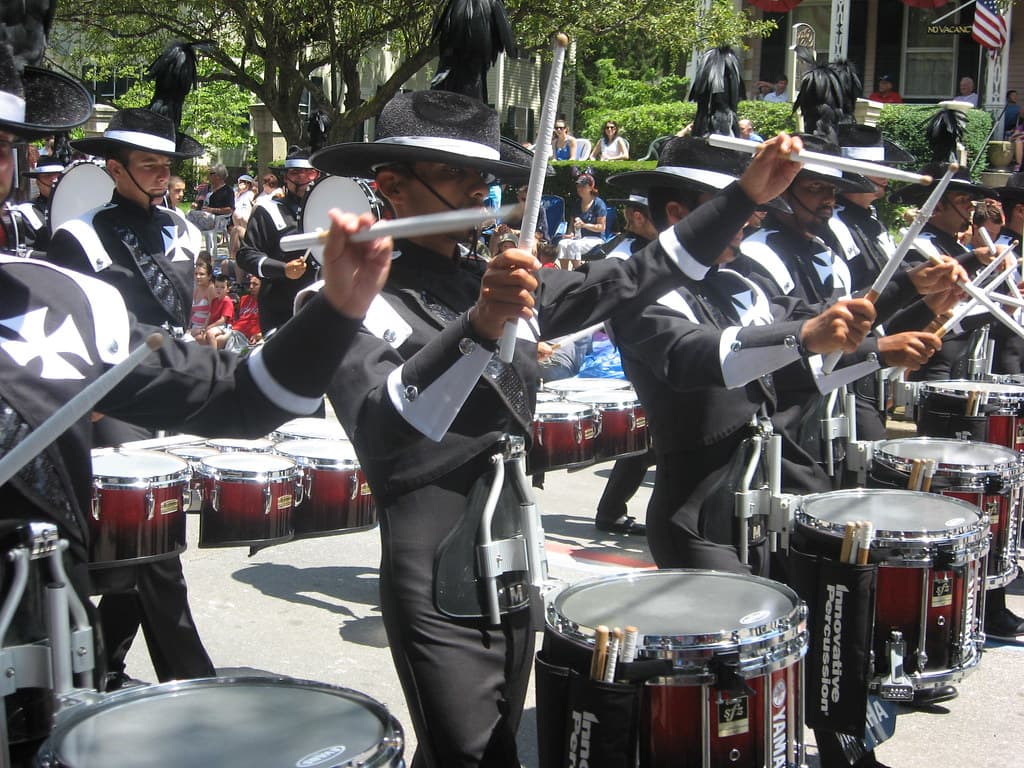
The Hypnotic Survival of Hill Country Fife and Drum
One of the oldest African American musical traditions in the country persists at a handful of summer picnics in the north Mississippi hills.
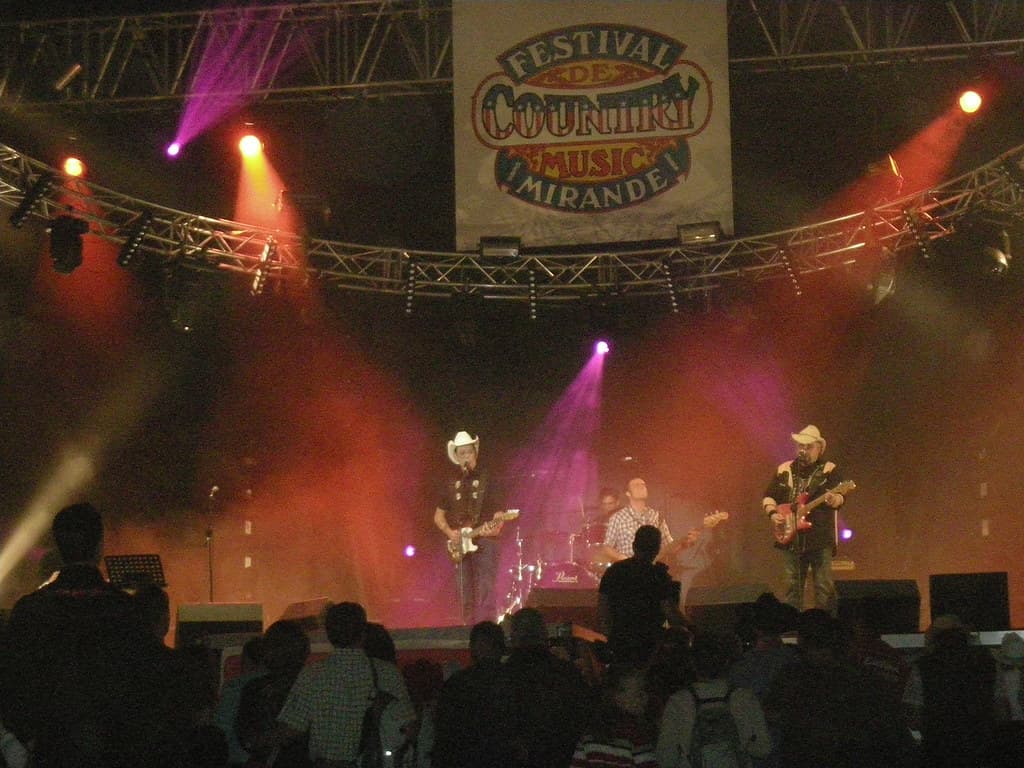
Greenville's Blues Festival Returns, Leaner and Louder
After years of uncertainty, one of the Delta's signature music festivals is back with a stripped-down format and a renewed focus on local players.