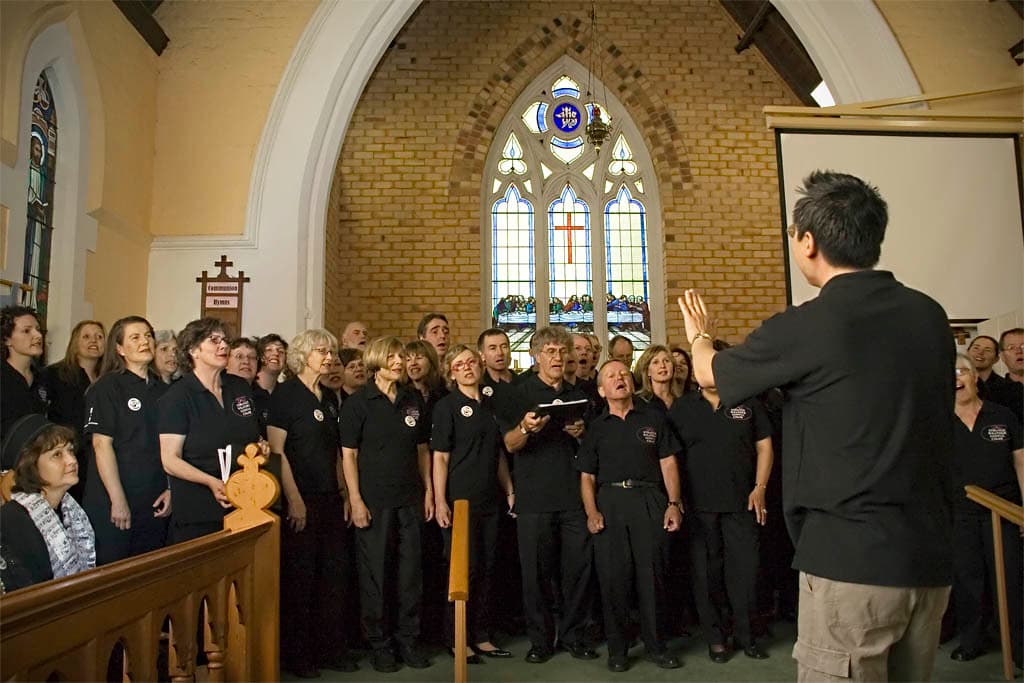
In Tupelo, the Gospel Quartet Tradition Refuses to Fade
A cappella harmony groups that once filled every church in north Mississippi are rarer now, but a new generation of singers is keeping the four-part sound alive.
Before amplifiers and full bands, north Mississippi churches were carried by the human voice arranged in tight four-part harmony. The gospel quartet, despite its name often five or six singers, was the region's original popular music, and Tupelo was one of its capitals. That tradition thinned over the decades, but it never quite disappeared.
On Sunday afternoons, a handful of groups still rehearse in fellowship halls and living rooms, working out arrangements the way their grandparents did, by ear and by argument. The sound is unmistakable: a lead voice riding above three others that lock together so precisely they seem to become a single instrument.
What is new is the age of some of the singers. Several groups have recruited teenagers and young adults, many of whom came to the music through family and stayed for the discipline it demands. Blending voices without instruments leaves nowhere to hide, and mastering it takes years.
The quartets rarely draw large crowds or much money, and few of the singers expect either. They are motivated by something harder to measure: the particular thrill of four voices finding a chord that none of them could reach alone.
More in Music & Culture

Jackson's Hip-Hop Scene Claims Its Own Lineage
A new wave of rappers and producers in the capital is drawing a straight line from the blues to the beats they make today.
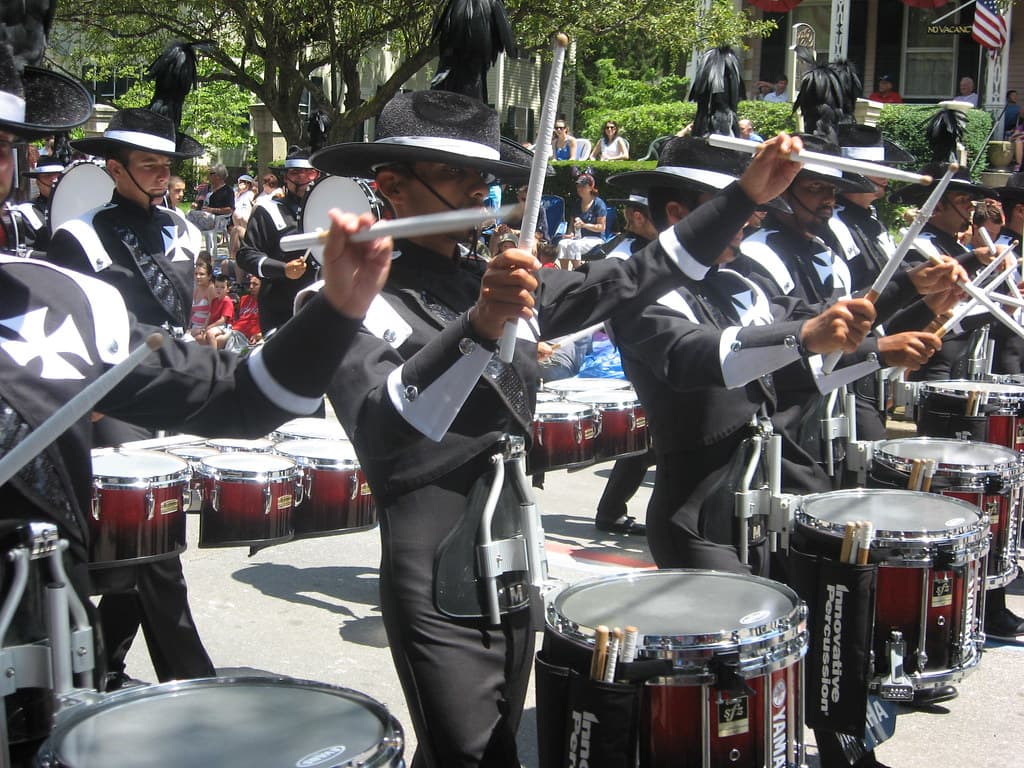
The Hypnotic Survival of Hill Country Fife and Drum
One of the oldest African American musical traditions in the country persists at a handful of summer picnics in the north Mississippi hills.
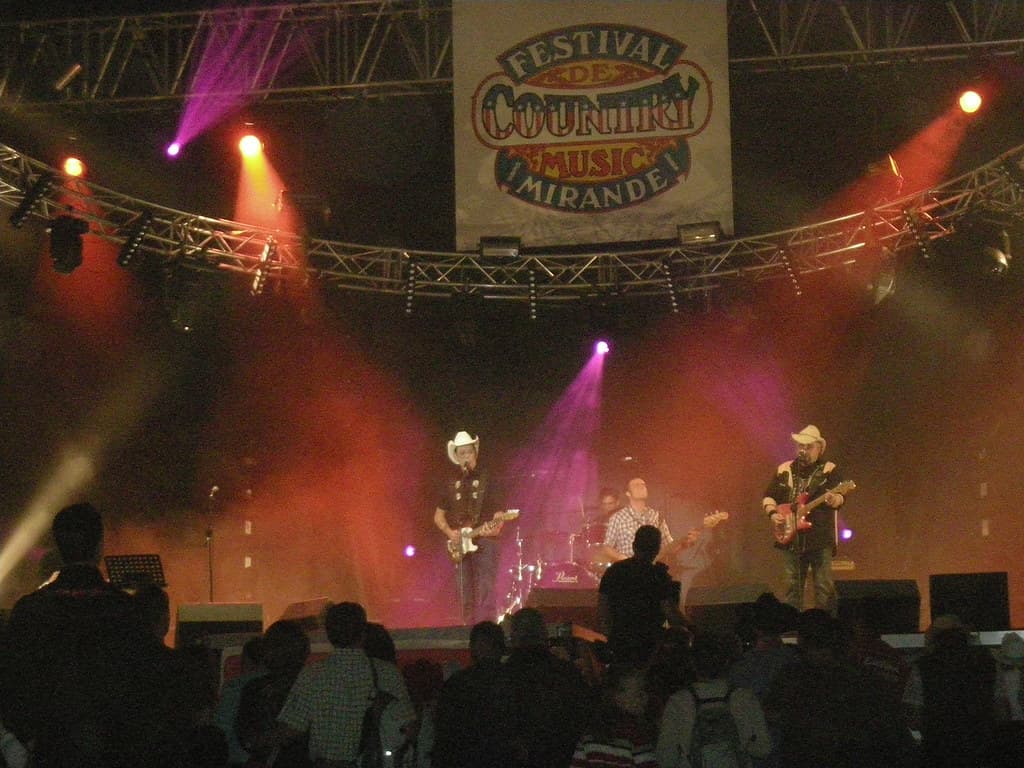
Greenville's Blues Festival Returns, Leaner and Louder
After years of uncertainty, one of the Delta's signature music festivals is back with a stripped-down format and a renewed focus on local players.